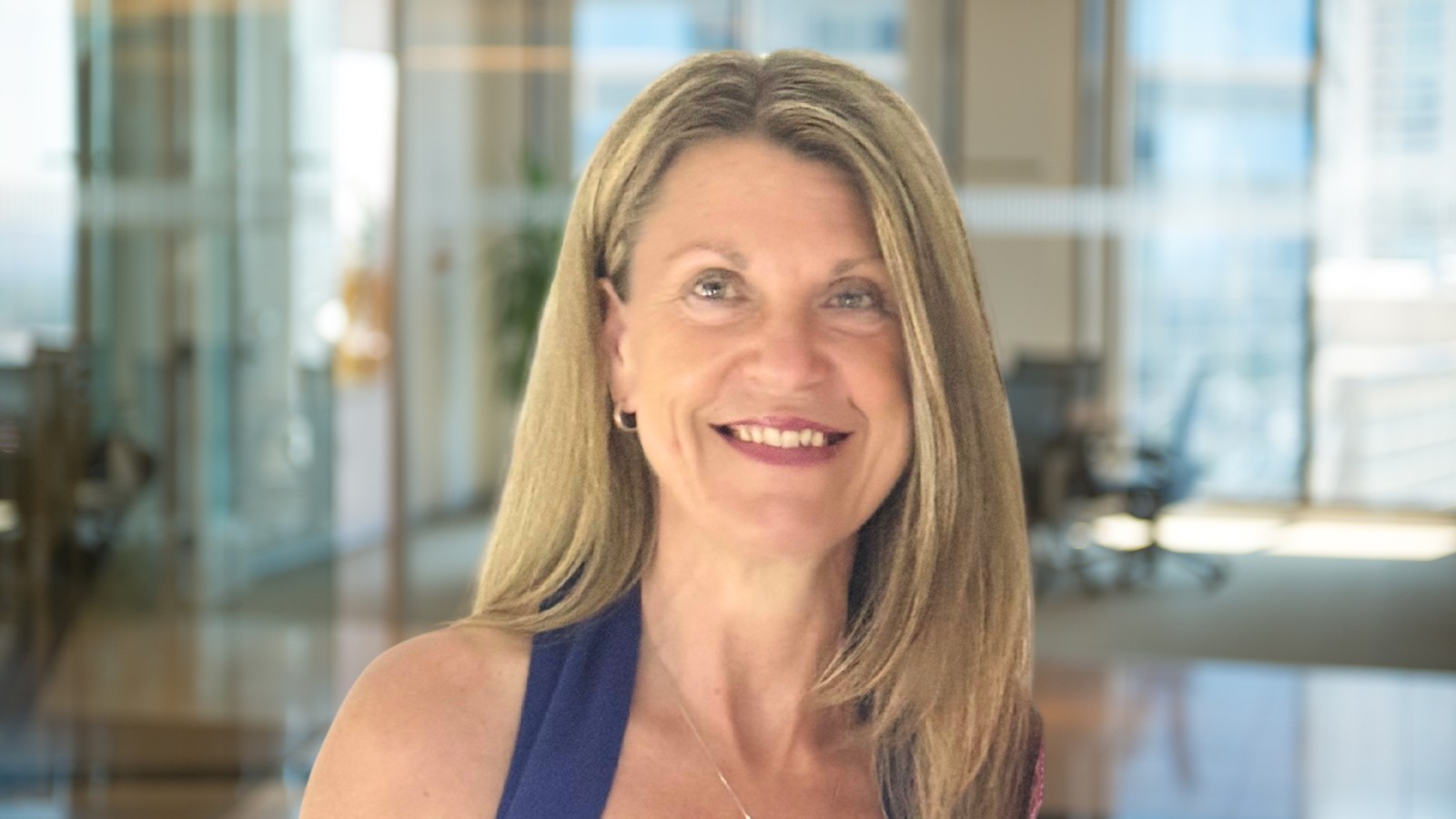


<strong>Rachel Atkin, Harcourts Victoria Property Management Operations Manager, on the most valuable leadership skill of all.</strong>
January has a particular energy.
After the intensity of December, the industry exhales. Inboxes quieten. The pace softens. Minds clear. It is one of the few moments in the year when reflection feels natural rather than forced.
And it is often in this quieter space that the most meaningful leadership realisations emerge.
For many property management professionals, the reset into 2026 is not about doing more. It is about doing less — with greater intention.
<strong>The quiet cost of complexity</strong>
Property management is a profession that quietly rewards complexity.
More systems.
More reporting.
More communication.
More KPIs.
More urgency.
Over time, leaders can mistake motion for progress and control for competence. Teams may appear productive on paper, yet feel overwhelmed, reactive and emotionally depleted behind the scenes.
Complex leadership creates friction. It clouds judgement, erodes trust and, over time, distances leaders from the people they are meant to support.
As the industry moves into 2026, the leaders who will stand out are not the loudest or the most visible. They are the clearest.
<strong>Emotional intelligence as a leadership multiplier</strong>
Emotional intelligence is often described as a soft skill. In reality, it is a leadership multiplier.
High-EQ leaders consistently do three things well: they read the room before reacting, regulate themselves under pressure, and respond to people rather than simply managing situations.
In property management — where teams carry a constant emotional load from renters, rental providers, legislation, deadlines and conflict — EQ is no longer optional. It is foundational.
Teams do not need leaders with all the answers. They need leaders who create psychological safety, listen without defensiveness, simplify decisions during uncertainty and model calm when pressure rises.
When leaders lead this way, performance follows naturally.
<strong>Why “less is more” leadership works</strong>

Simplicity in leadership does not mean lowering standards. It means sharpening focus.
A “less is more” leader asks different questions:
- What actually matters right now?
- What can we stop doing that no longer serves us?
- Where is complexity increasing risk or stress?
- How can this be made clearer?
Simplicity shows up as clear expectations instead of constant reminders, fewer priorities executed well, consistent standards and calm decision-making.
The most respected leaders are rarely the most complicated. They are the most understandable.
<strong>Career longevity in property management</strong>
As career paths evolve, leadership relevance is increasingly shaped by how leaders make people feel — not just what they deliver.
Those who progress into senior, influential roles tend to reduce friction, make complexity feel manageable, build confidence rather than dependency, and lead people, not just portfolios.
Simplicity is not about doing less work. It is about doing the right work, thoughtfully and consistently, with emotional intelligence at the centre.
As the year begins, perhaps the most powerful leadership question is not _What more can I do?_
But _What can I simplify — for myself and for others?_
In 2026, that may be the most valuable leadership skill of all.
Woodards Steps in to Shoulder AML Compliance Burden
Grassroots Initiatives to End Homelessness are Given a Boost by Ray White and A Home for All Foundation
Harcourts RPG Launches Australia’s First Dedicated Project Sales Team, Secures Record $5.2M Penthouse Sale
<strong>Woodards Steps in to Shoulder AML Compliance Burden</strong>
3 days ago3 min read
<strong>Grassroots Initiatives to End Homelessness are Given a Boost by Ray White and A Home for All Foundation</strong>
5 days ago3 min read
<strong>Harcourts RPG Launches Australia’s First Dedicated Project Sales Team, Secures Record $5.2M Penthouse Sale</strong>
5 days ago2 min read
<strong>Harcourts Foundation Grant for 'Two Feet & a Heartbeat' Campaign</strong>
5 days ago2 min read
<strong>Retail and Commercial Real Estate Legend Colin Henry honoured with Max Raine Award at record Raine & Horne event</strong>
6 days ago3 min read
<strong>Local Legends Go Global: Belize Property Joins Harcourts and Announces Major Expansion</strong>
Mar 272 min read
---
This article was independently written and edited by Real Estate Today Australia / one of our contributors or partners. All information was drawn from public records and verified industry commentary. © Real Estate Today 2026 – All Rights Reserved.
This article was independently written and edited by Real Estate Today. © Real Estate Today 2026 – All Rights Reserved.
Real Estate Today is the most engaged & influential real estate industry publication throughout Australia and New Zealand.