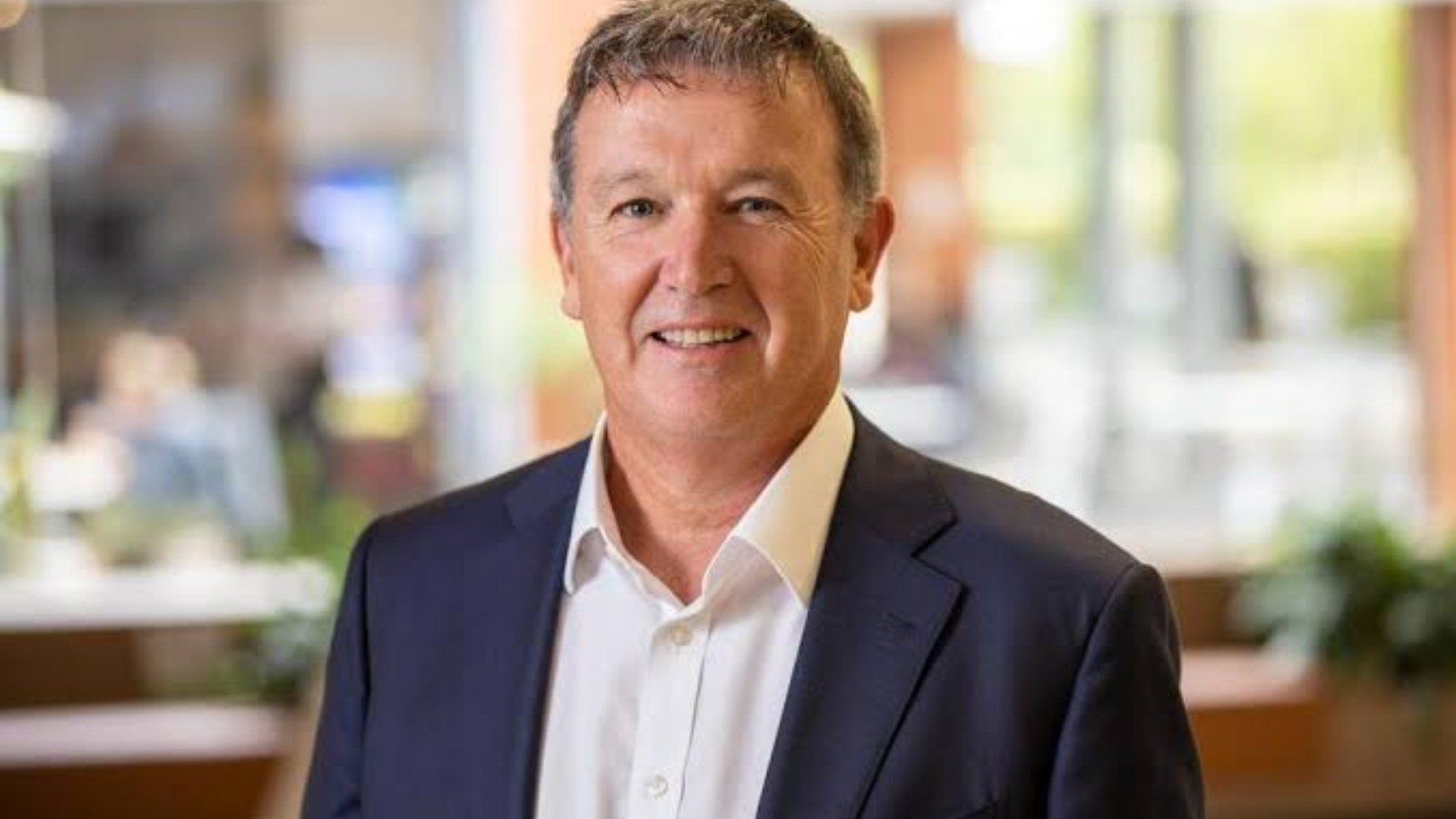


_By Tom Donnelly, Head of Commercial, Harcourts_
If I had to summarise the commercial property market this year in one word, it would be <strong>discipline</strong>.
After a prolonged period of yield compression and strong growth assumptions, followed by a phase of pricing and financing adjustment, the market is now operating on more realistic parameters.
Pricing expectations are more aligned, borrowing conditions are better understood, and risk is being assessed more conservatively than in the previous cycle.
That shift matters.
<strong>“The market is no longer driven by optimism alone. It’s being shaped by analysis.”</strong>
Across our commercial network, I’m seeing buyers spending more time testing income assumptions, tenants making space decisions based on operational needs, and owners giving greater thought to how their assets perform under different conditions.
This is not a defensive market.
It’s a more deliberate one.
<strong>Industrial: The Benchmark for Real-Economy Performance</strong>
Industrial continues to lead — not because it’s fashionable, but because it supports day-to-day business operations.
The demand I’m seeing is being driven by occupiers with clear functional requirements: trade users, logistics operators, service businesses and owner-occupiers. These decisions are typically linked to efficiency, access and proximity rather than short-term market conditions.
<strong>“Industrial demand is driven by how businesses operate, not by where we are in the cycle.”</strong>
That distinction matters.
Industrial performance is no longer uniform. Asset quality plays a bigger role than it once did. Access, clearance, configuration and location are increasingly important, particularly in markets where occupiers have genuine choice.
Generic stock is being filtered out.
In 2026, industrial assets that lease well tend to be those that are adaptable, practical and easy to integrate into a business’s operations.
<strong>Office: Relevance Is the Divider</strong>
Office has become a more differentiated market.
Premium, well-located buildings with strong amenity, efficient layouts and credible sustainability credentials continue to attract tenants in many markets. In a number of cases, occupiers are reducing overall footprint while prioritising higher-quality space.
<strong>“Tenants aren’t walking away from office. They’re being more selective about what they occupy.”</strong>
Secondary office stock faces a more complex challenge. Buildings with inefficient layouts, dated services or weaker ESG performance are finding it harder to compete, particularly where tenants are focused on value and flexibility.
The conversation around office has shifted.
It’s no longer about whether the sector works — it’s about whether a specific building does.
That’s a more nuanced, and ultimately healthier, position for the market to be in.

<strong>Retail: Fundamentals Over Narrative</strong>
Retail performance continues to be driven at the asset level.
Neighbourhood centres, convenience retail and service-based tenancies have shown relative stability because they are anchored in everyday consumer behaviour rather than discretionary spending alone.
<strong>“Retail performs when it’s relevant to its catchment.”</strong>
Outcomes are increasingly determined by location, tenant mix, lease structure and local demand dynamics rather than broad sector narratives.
In this cycle, asset-level fundamentals matter more than labels.
<strong>Investors: Yield Is No Longer Enough</strong>
One of the clearest shifts I’ve observed is in how investors are assessing opportunities.
Rather than relying on headline yield alone, buyers are spending more time examining:
- how sustainable the income is
- the strength and structure of tenant leases
- lease expiry timing and incentive exposure
- capital expenditure requirements
- what options exist if leasing conditions change
<strong>“The market is placing more weight on durability than on projection.”</strong>
That change is leading to more considered decision-making. In my view, this approach supports stronger outcomes over the longer term.
<strong>The Market View</strong>
Commercial property in 2026 isn’t about waiting for rate cuts or chasing momentum.
It’s about backing assets that function in the real economy.
<strong>“If a property genuinely works for the tenant’s business, it will ultimately work for the investor.”</strong>
Discipline has replaced exuberance — and that represents a constructive reset for the commercial property market.
Woodards Steps in to Shoulder AML Compliance Burden
Grassroots Initiatives to End Homelessness are Given a Boost by Ray White and A Home for All Foundation
Harcourts RPG Launches Australia’s First Dedicated Project Sales Team, Secures Record $5.2M Penthouse Sale
<strong>Woodards Steps in to Shoulder AML Compliance Burden</strong>
3 days ago3 min read
<strong>Grassroots Initiatives to End Homelessness are Given a Boost by Ray White and A Home for All Foundation</strong>
5 days ago3 min read
<strong>Harcourts RPG Launches Australia’s First Dedicated Project Sales Team, Secures Record $5.2M Penthouse Sale</strong>
5 days ago2 min read
<strong>Harcourts Foundation Grant for 'Two Feet & a Heartbeat' Campaign</strong>
5 days ago2 min read
<strong>Retail and Commercial Real Estate Legend Colin Henry honoured with Max Raine Award at record Raine & Horne event</strong>
6 days ago3 min read
<strong>Local Legends Go Global: Belize Property Joins Harcourts and Announces Major Expansion</strong>
Mar 272 min read
---
This article was independently written and edited by Real Estate Today Australia / one of our contributors or partners. All information was drawn from public records and verified industry commentary. © Real Estate Today 2026 – All Rights Reserved.
This article was independently written and edited by Real Estate Today. © Real Estate Today 2026 – All Rights Reserved.
Real Estate Today is the most engaged & influential real estate industry publication throughout Australia and New Zealand.