I've spent more than two decades in real estate, and if there's one thing this industry teaches you, it's that markets don't move in straight lines.
I've worked through the Global Financial Crisis, COVID, interest rate cycles, booming property markets and periods where simply getting a transaction together felt like an achievement.
Every downturn feels different when you're living through it.
But they have something in common.
They force businesses to change.
And sometimes the changes that happen during difficult periods become permanent.
Are we at one of those moments now?
Today's real estate environment is challenging.
Properties are taking longer to sell in many markets. Buyers are more cautious. Vendors are having to adjust expectations. The cost of operating a business has continued to increase.
And there is no guarantee that January 1 suddenly changes everything.
There are plenty of indications that 2027 could remain difficult before conditions ultimately improve.
But rather than simply asking how we survive the current market, I think agency owners should be asking a different question:
What should my business look like when the market eventually improves?
Because this could be one of those subtle turning points in our industry that only becomes obvious in hindsight.
The traditional cost structure deserves another look
For decades, opening a real estate business followed a fairly predictable formula.
Find premises.
Fit out an office.
Employ administration staff.
Set up trust accounting.
Buy technology.
Subscribe to portals.
Build a website.
Pay for marketing.
Potentially join a franchise and pay the associated fees.
Then start selling properties to pay for it all.
That model has produced some outstanding businesses.
But does every agency still need to operate that way?
Technology has changed.
Consumers have changed.
Where and how we work has changed.
Administration can be centralised. Systems can be cloud-based. Teams can operate remotely. Marketing can be automated. Compliance and trust functions can be supported centrally.
Yet many agencies still carry a cost structure designed for another era.
GCI isn't the number that matters most
Real estate loves talking about GCI.
How much did you write?
How many properties did you sell?
How big is the team?
They're useful measures.
But there's another number that ultimately matters more to the business owner:
How much did you keep?
An agency writing $2 million in GCI with an enormous fixed-cost base isn't necessarily a better business than one producing less revenue with substantially stronger margins.
The same applies to individual agents.
An agent can be writing impressive numbers, but once commission splits, franchise costs, support staff, technology and other expenses are taken into account, the amount reaching their own bank account can tell a very different story.
That's why difficult markets can actually be useful.
They expose inefficiency.
Don't waste the downturn
When revenue becomes harder to produce, business owners naturally start examining costs.
That's sensible.
But there's a bigger opportunity.
Instead of asking, “What can I cut until the market improves?”, perhaps we should ask:
“What costs do I never need to put back?”
If you discover that you can operate effectively with a smaller physical footprint, do you need the larger office again?
If technology can eliminate repetitive administration, do you rebuild the same administrative structure?
If certain subscriptions aren't producing value, why restart them?
If a different network or operating model allows you to retain more revenue while still providing the infrastructure you need, why return to the old model simply because the market improves?
That's where the real opportunity lies.
Because when revenue eventually increases again, a business that has permanently reduced unnecessary overhead doesn't simply return to where it was.
Its margins improve.
Independence without carrying everything yourself
I believe we're going to see more experienced agents and principals looking for a middle ground.
They want independence.
They want their own identity.
They want to control their database, build their own brand and create an asset.
But they don't necessarily want the traditional costs and complexity that historically came with owning an agency.
That's one of the reasons we built Agency HQ around a different structure.
Agents can operate under our brand, co-brand, or build their own brand while using centralised infrastructure and support behind the scenes.
But this isn't really about Agency HQ.
It's about a broader change I believe is occurring across our industry.
The value is shifting from owning infrastructure to accessing infrastructure.
That's a significant distinction.
What happens when the good times return?
Eventually, the property cycle will turn.
It always does.
Transaction volumes will improve. Confidence will return. Agents will write more business.
When that happens, there will be two types of businesses.
Those that survived the downturn and immediately rebuilt their old cost structures.
And those that used the difficult period to permanently redesign the way they operate.
I know which one I'd rather own.
The objective shouldn't simply be to survive a difficult market.
It should be to come out the other side with a leaner, stronger and more profitable business than the one that entered it.
Because the market will eventually change.
The question is whether your business model will change with it.
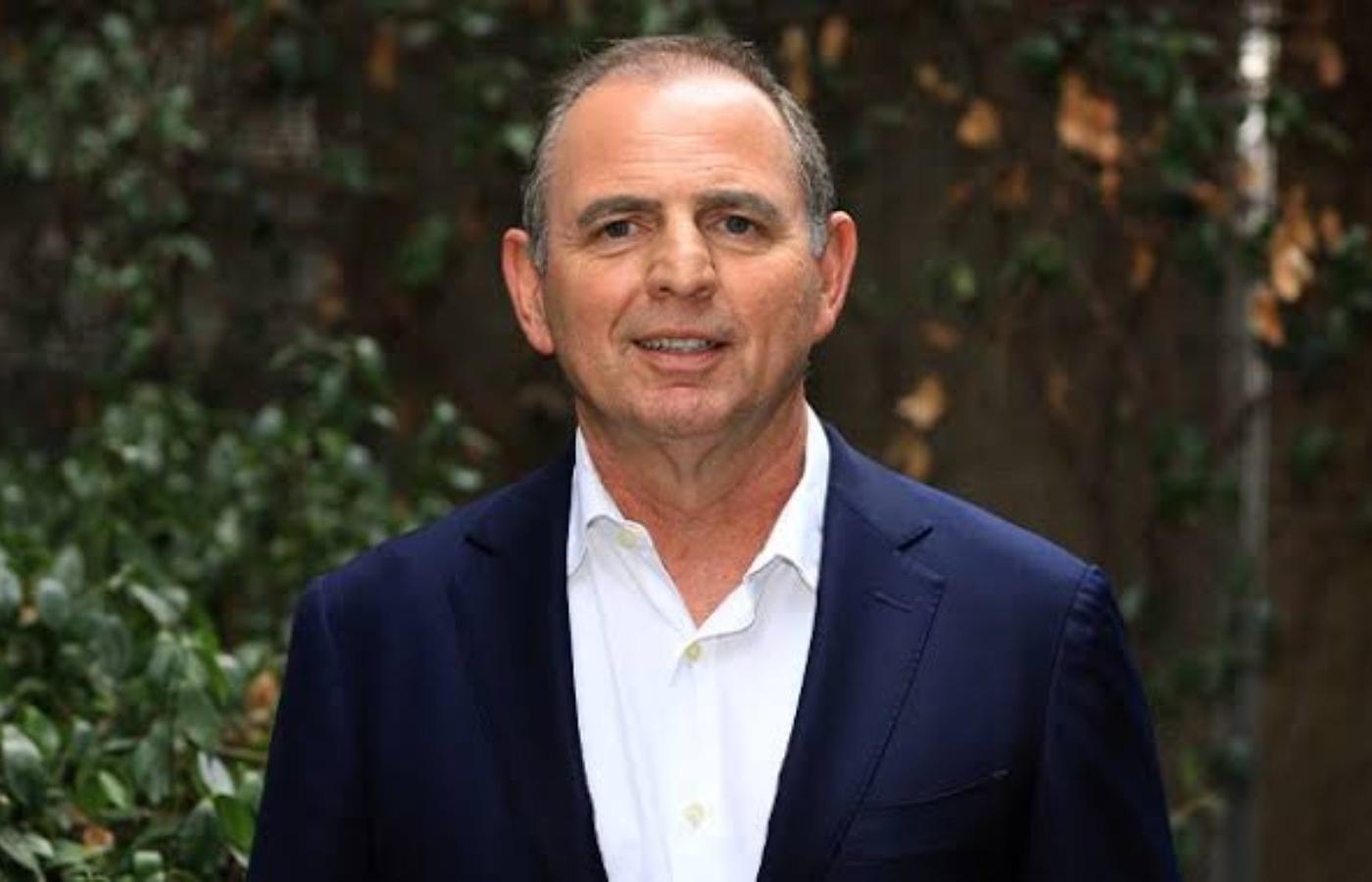
Mark Morrison is CEO of Agency HQ and host of the Beyond the Listing podcast, which explores the business behind real estate — profitability, growth, technology and the changing agency model.
This article was independently written and edited by Real Estate Today. © Real Estate Today 2026 – All Rights Reserved.
Real Estate Today is an independent real estate industry publication covering Australia and New Zealand.
THE-RET experience

The Morning Brief
The essential real estate briefing with Jake & Mia.
From 5:30am every weekday.

The 7:30 Report
The day's property news, context and what comes next with Dan & Sarah.
Five nights a week.