One thing I’ve become increasingly conscious of as a CEO is how easy it is to make decisions surrounded by evidence that tells you you’re right.
We look at our best people, strongest teams, customers who choose us and initiatives that worked. We study success because naturally, we want to understand it and repeat it.
But I’ve been thinking a lot about what we don’t capture.
If most of our decisions are formulated on success and we aren’t equally disciplined about understanding failure, we run the risk of simply holding a mirror up to our own organisation instead of looking through a window at the world around us.
That distinction matters.
Success tells us what is working within the environment we’ve created. It doesn’t always tell us what we’re missing.
The customer who chose us is important, but so is the one who didn’t. The person who has built a ten-year career with us can tell us a lot about our culture, but there is also something to learn from the talented person who left after twelve months. The deal we won validates what we did well, but sometimes the one we lost tells us more.
There is research to support this.
A study by Peter Madsen and Vinit Desai, published in the Academy of Management Journal, looked at how organisations learn from success and failure. They found that organisations learned more effectively from failure and, importantly, that the learning gained from failure lasted longer.
Harvard Business School professor Amy Edmondson has also written extensively about this. Her work points to something I think most leaders would recognise. We all say we want to learn from failure, but organisations are often not particularly good at systematically capturing and learning from it.
I think that’s the opportunity.
Businesses today certainly don’t have a shortage of data. We have dashboards, KPIs, engagement surveys, conversion rates, customer feedback and reports on almost everything.
What we can have is a shortage of contradictory data.
The information that challenges the story we are already telling ourselves.
As a CEO, I don’t just want to understand why our best people perform. I want to understand what is stopping the next group from getting there. I don’t only want feedback from people who love what we do. I want to understand why someone chose a competitor, why a great candidate said no or why an initiative we believed in didn’t land.
Not to find fault. To find the gap.
That requires some discipline because success is comfortable. When something works, it validates the strategy, the investment and sometimes our own decisions. When something doesn’t, it asks us to be curious enough to consider whether the market has shifted, our people need something different or something we see as a strength isn’t actually experienced that way outside our own four walls.
For me, leadership isn’t about changing direction every time something goes wrong. It’s about making sure we’re looking at enough of the picture before deciding we’re heading in the right direction.
I still want to study success. I want to understand it, recognise it and create more of it.
But I also want us to get better at capturing the customer we didn’t win, the person we couldn’t retain, the opportunity we missed and the idea that simply didn’t work.
Because sometimes the most valuable information in a business isn’t sitting in the result you’re celebrating.
It’s sitting in the result you weren’t expecting.
And if we’re prepared to look at both, we stop simply reflecting on the organisation we already are and start seeing more clearly the organisation we could become.
This article was independently written and edited by Real Estate Today. © Real Estate Today 2026 – All Rights Reserved.
Real Estate Today is an independent real estate industry publication covering Australia and New Zealand.
THE-RET experience
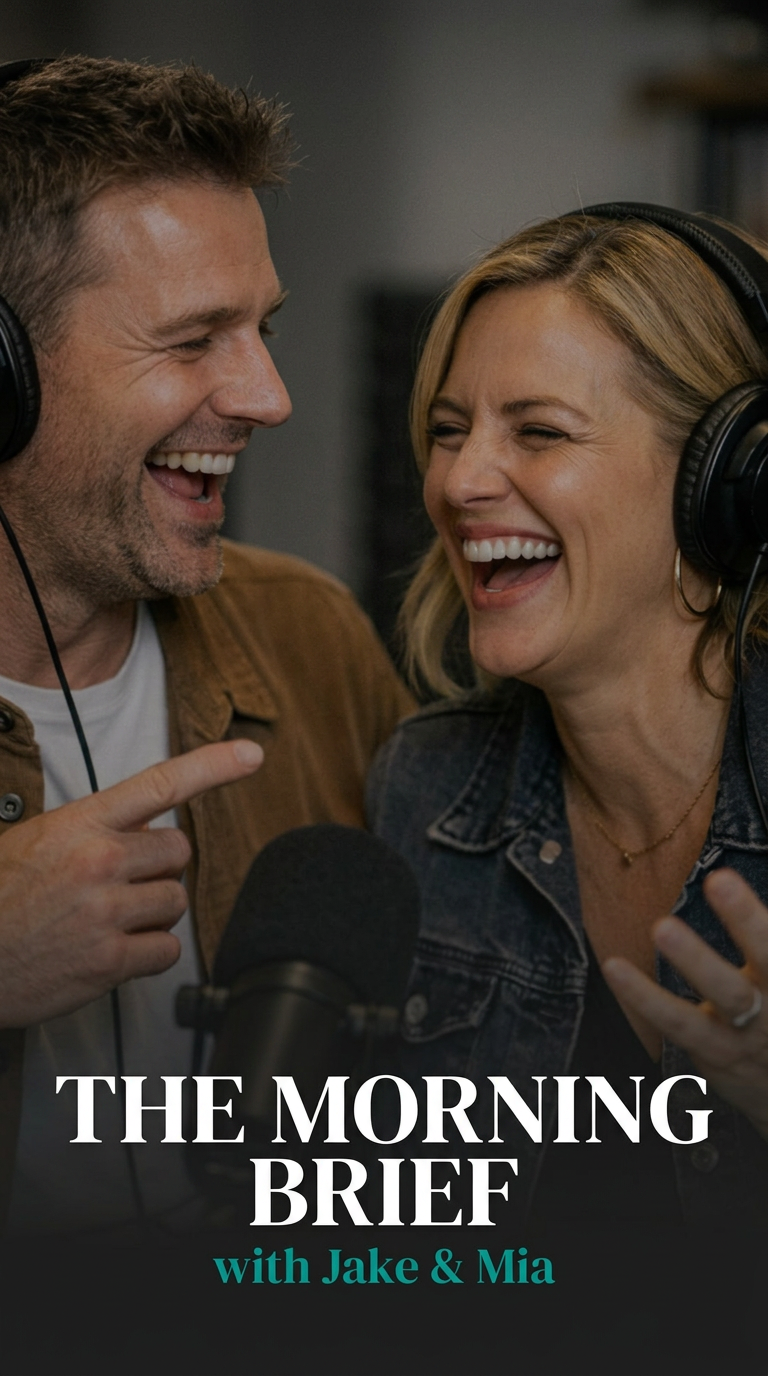
The Morning Brief
The essential real estate briefing with Jake & Mia.
From 5:30am every weekday.
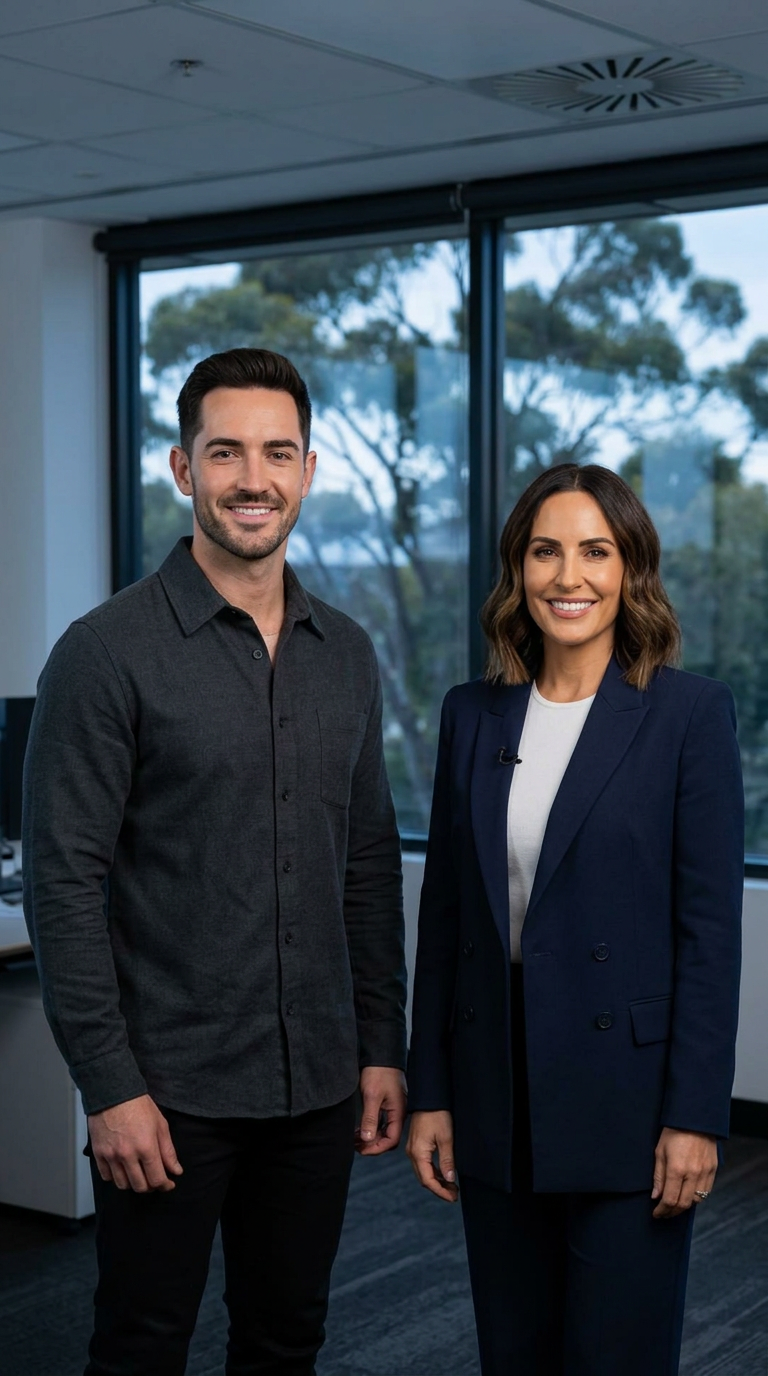
The 7:30 Report
The day's property news, context and what comes next with Dan & Sarah.
Five nights a week.




Trending
The Market Will Turn Again. Will Your Business Model?
Main Story
Established Kellyville agency joins First National
Network News
realestate.com.au launches new podcast The Next Address
Leadership
What do you tell the vendor when the buyers still haven’t arrived?
Marketing
Who the Hell Is eXp?
Industry News