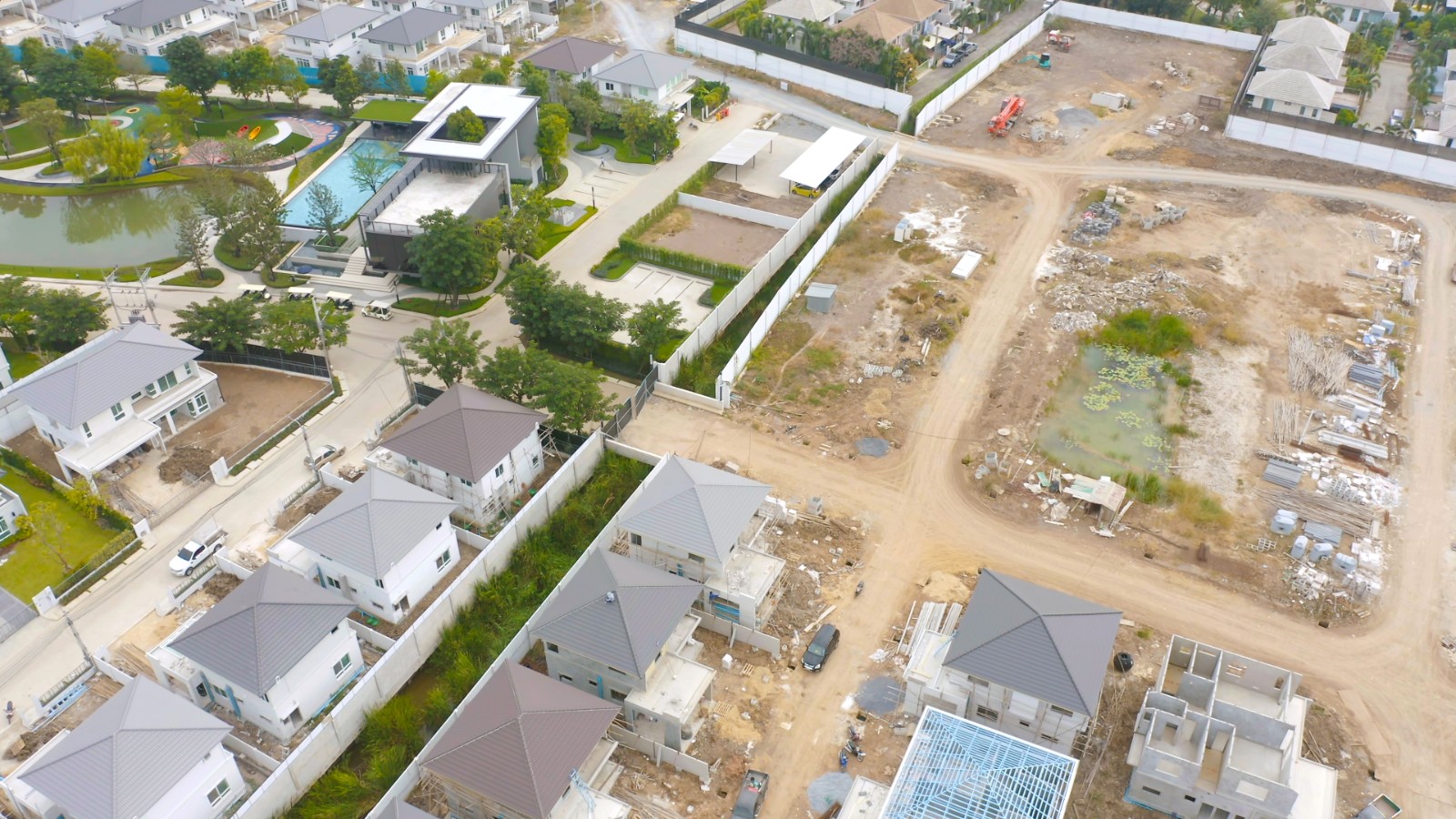
Sales volumes have continued to decline across New Zealand’s housing market, marking a third consecutive monthly fall and extending a subdued start to 2026, even as property values remain broadly stable.
Cotality’s NZ Monthly Housing Chart Pack shows sales volumes in March were down -2.4% compared to the same time last year, following falls of -7.6% in January and -3.1% in February. Taken together, the results leave activity tracking around or below long-term averages across the first quarter.
Cotality NZ Chief Property Economist Kelvin Davidson said the persistence of weaker sales suggested something more than a simple start-of-year adjustment.
“January’s weakness could have been explained by activity being pulled forward into December to nab a generous cash-back, but that softness has carried through February and March as well,” Mr Davidson said.
“We’ve now had three subdued months in a row, which indicates a weaker first quarter than expected. It’s not a sharp downturn, but it does show that confidence is still muted and buyers are taking their time.”
Values stable, main centres uneven
Property values held relatively steady through the softer sales environment, with the national median rising 0.2% in March and 0.3% across the first quarter. However, performance across the main centres remains uneven with Auckland values down -0.2% over the three months to March and -3.4% lower over the past year. Christchurch recorded modest gains, with values rising 1.1% over the quarter and 2.4% annually. Mr Davidson said those differences reflected local supply dynamics and shifts in affordability. “Auckland still looks expensive in dollar terms, but when you look at it against local incomes it’s more affordable than it has been for quite some time,” he said. “That’s helping support demand in that market, even if price growth remains fairly contained overall.”First home buyers steady
First home buyers continue to play a major role in NZ’s market, accounting for more than 27% of purchases nationally across the first quarter, well above their long-term average of around 22%. In Auckland, their share was higher again at around 30%, with even stronger concentrations in other parts of the country including Hamilton (33%) and the wider Wellington are (37%). Mr Davidson said the consistency of first home buyer activity was fairly evenly spread across the country and supported by a combination of factors such as improved affordability and access to credit. “Lower house prices compared to a few years ago, reduced mortgage rates, and KiwiSaver withdrawals are all helping,” he said. “But just as important is that many buyers don’t need a full 20% deposit. More than half of first home buyer lending is still being done below that threshold, which makes a real difference to access.”Soft rental market despite signs of stabilisation
Conditions in the rental market remain subdued, with Stats NZ data showing rents have fallen -0.4% in the year to March and MBIE figures recording a -1.6% fall in February. At the same time, gross rental yields have improved to 3.9% nationally, their highest level since 2015, reflecting earlier declines in property values alongside prior rent growth. Mr Davidson said recent data suggests rents may be approaching a floor, but volatility in the monthly figures makes it difficult to draw firm conclusions. “There are some hints in the latest numbers that rents could be flattening out, with migration picking up and rental listings easing a little,” he said. “But rents are still very high relative to incomes, so even if they have flattened out, a strong upswing is unlikely.”Market outlook remains constrained
Mr Davidson said the housing market started 2026 with limited momentum, and global uncertainty, along with higher inflation and interest rate expectations, continues to weigh on confidence. This week’s Q1 CPI result was relatively becalmed, but the key period still lies ahead with the latest quarter capturing only the initial effects of the Iran conflict. Mr Davidson said the Q1 number may not look too bad on its own, but it could be the calm before stronger inflation pressures come through later in the year. “Property sales volumes were already soft through the first quarter, and that was before the latest developments around the Iran conflict,” he said. “For now, prices are holding up reasonably well, but turnover is still on the softer side. Until confidence improves and movers start to re-engage, sales volumes are likely to remain subdued. Near-term downwards pressure on prices would not be a surprise.”
 The Morning BriefWith Jake and MiaListen now
Submit a Story
Tell us what’s happening
Trending
0102030405
Victorian rental law changes 2026: What property managers need to know
Property Management
Have you been housefished? Australia gets a taste of real estate's new AI problem
Technology
Price falls won’t fix housing affordability, big four banks tell Senate inquiry
Market Update
Doncaster East Mansion Hits New York & International Spotlight Following Noel Jones Launch
Property of the Week
Raine & Horne puts family first on National Family Business Day
Main Story
This article was independently written and edited by Real Estate Today. © Real Estate Today 2026 – All Rights Reserved.
Real Estate Today is an independent real estate industry publication covering Australia and New Zealand.