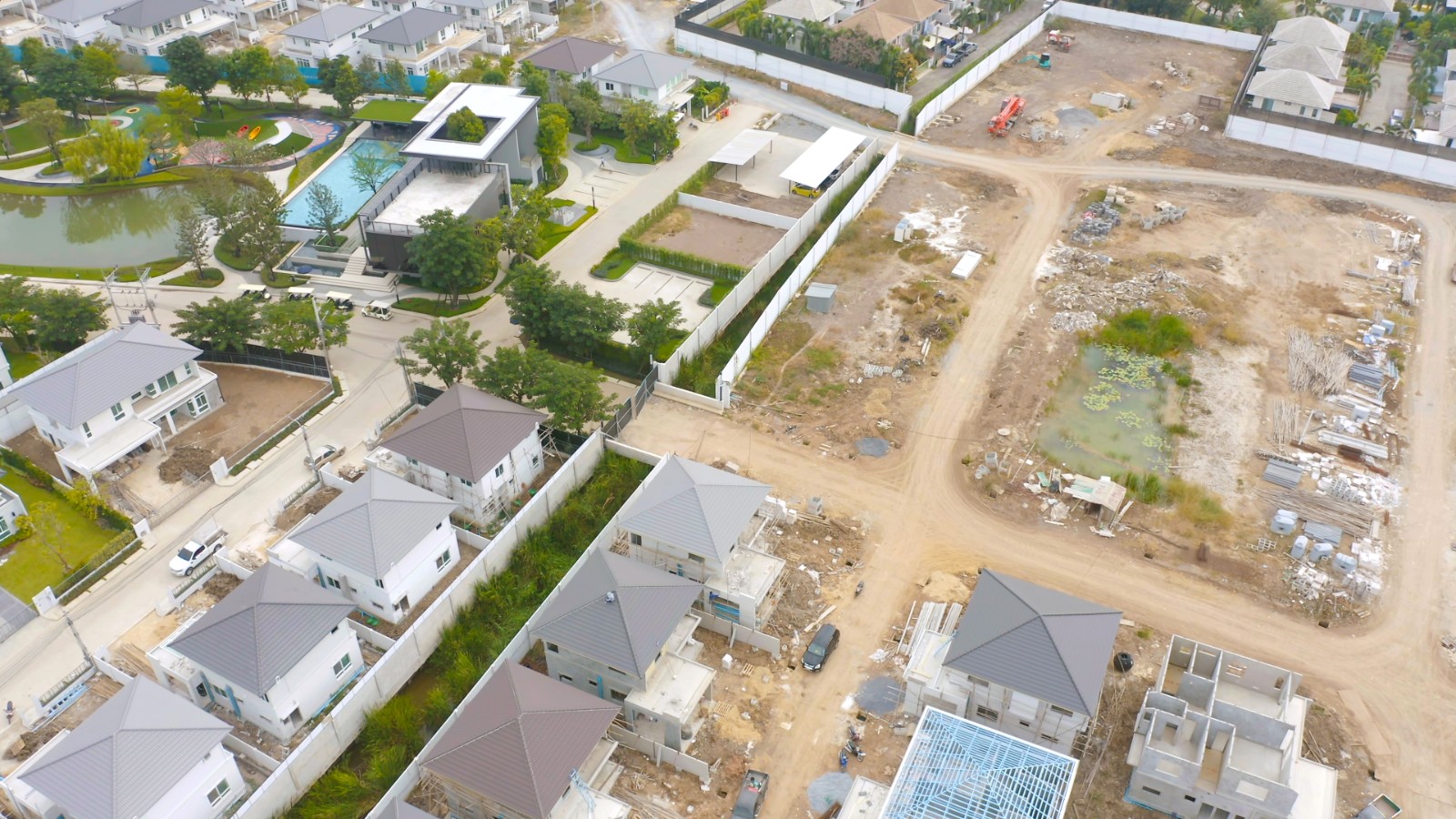
The U.S. housing market is currently navigating a complex interplay of persistent low inventory and fluctuating mortgage rates, creating a dynamic environment for buyers and sellers alike. While demand remains robust, the elevated cost of borrowing is exerting noticeable pressure on affordability, leading to a slowdown in transaction volume in some areas.
Home price appreciation, though still present, has moderated from the frenzied pace seen in recent years. This stabilization is largely a response to higher mortgage rates, which have increased the monthly cost of homeownership significantly. Potential buyers are finding their purchasing power diminished, forcing many to recalidate their expectations or postpone their homeownership goals. This is particularly evident in entry-level and mid-tier markets, where the impact of increased borrowing costs is most acutely felt.
However, the narrative is not solely one of dampened demand. The underlying shortage of housing supply continues to be a critical factor. Decades of underbuilding, coupled with demographic shifts, mean that the imbalance between available homes and interested buyers persists. This scarcity is preventing a more substantial price correction and is likely to remain a dominant theme for the foreseeable future. Properties that are well-maintained, in desirable locations, and priced appropriately continue to attract multiple offers and sell rapidly.
Mortgage rate sensitivity is a key takeaway from current market data. Lenders are observing a clear correlation between rate movements and buyer activity. When rates dip, even slightly, there is a corresponding uptick in mortgage applications and open house attendance. Conversely, periods of rate increases lead to a more hesitant buyer pool. This sensitivity underscores the importance of mortgage rates as a primary driver of housing market performance in the short to medium term.
Looking ahead, analysts are closely monitoring several factors. The Federal Reserve's monetary policy decisions regarding interest rates will undoubtedly play a pivotal role. Additionally, the pace of new home construction and the potential for existing homeowners to list their properties will be crucial indicators of future supply levels. While affordability challenges are real, the fundamental demographic demand for housing, combined with limited inventory, suggests a market that will likely continue to see underlying strength, albeit with a more measured pace of price growth and sales activity compared to the recent past. The market's ability to absorb higher borrowing costs will be tested, but the persistent supply constraints should provide a floor for overall housing values.

 The Morning BriefWith Jake and MiaListen now
Tell us what’s happening
Trending
Victorian rental law changes 2026: What property managers need to know
Property Management
Have you been housefished? Australia gets a taste of real estate's new AI problem
Technology
Price falls won’t fix housing affordability, big four banks tell Senate inquiry
Market Update
Doncaster East Mansion Hits New York & International Spotlight Following Noel Jones Launch
Property of the Week
Raine & Horne puts family first on National Family Business Day
Main Story
This article was independently written and edited by Real Estate Today. © Real Estate Today 2026 – All Rights Reserved.
Real Estate Today is an independent real estate industry publication covering Australia and New Zealand.