One of Victoria’s oldest real estate names has decided that history alone is not enough protection in a market being reshaped by technology, data and national scale.
Hodges Real Estate has entered a partnership with McGrath that will see six offices operate under the Hodges McGrath name.
The offices are located in Brighton, Sandringham, Beaumaris, Mentone and Bentleigh in Melbourne, as well as Rye on the Mornington Peninsula. The addition takes McGrath’s Victorian network to 34 offices.
Founded in 1854, Hodges describes itself as Victoria’s longest-serving real estate agency. Its own company information records 12 offices, 101 team members, more than 5,200 properties under management and $836.6 million in property sold during 2025.
That makes this more than another network expansion announcement.
For 172 years, Hodges has survived changing markets, new competitors, economic shocks and successive waves of technology. Its decision to place the McGrath name beside its own illustrates the pressure even deeply established independent brands face as the industry consolidates around larger platforms.
McGrath chief executive John McGrath said the two organisations were aligned in their culture, values and ambitions. McGrath’s Head of Franchise Network, Chris Mourd, has positioned the agreement as the beginning of a new period for the group in Melbourne.
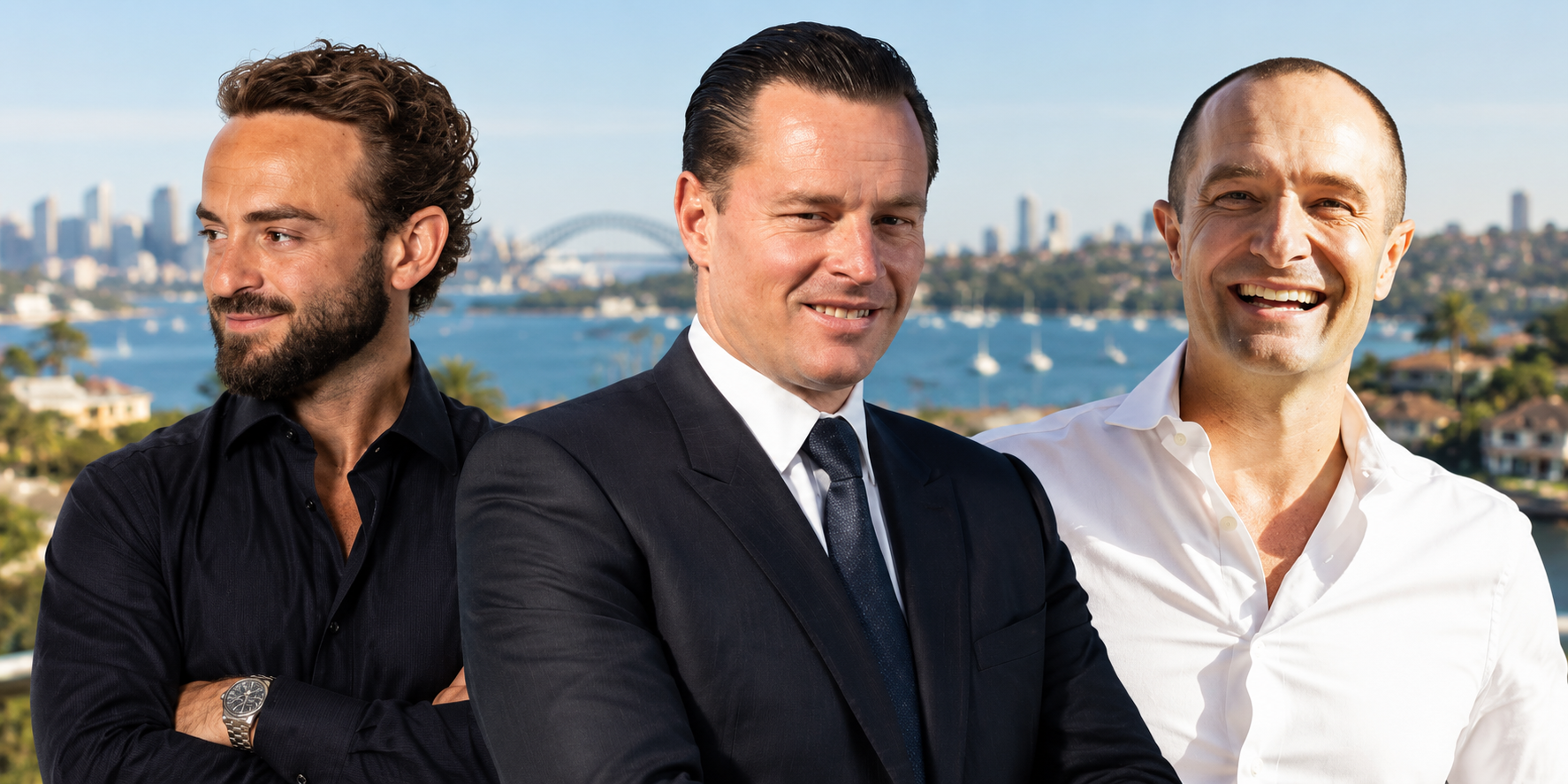
Hodges directors Michael Cooney, Julian Augustini and Andrew Boyce have pointed to shared values and the importance of maintaining local relationships as reasons for proceeding with the partnership.
That balance will be central to whether the model works.
The Hodges name brings history, recognition and community relationships that cannot be quickly manufactured. McGrath brings a larger network, wider referral opportunities, technology and access to an international property ecosystem through its relationship with Knight Frank.
For agency owners, the practical question is becoming harder to avoid. Is independence still an advantage when larger networks can offer increasingly sophisticated data, marketing, recruitment and referral infrastructure?
There is no universal answer. Independent agencies can remain faster, more personal and more responsive to their local markets. They can build brands without national restrictions and retain greater control over how their businesses operate.
But scale changes the calculation.
Technology investment is expensive. Consumer expectations are increasing. Recruitment has become more competitive, and agents increasingly expect platforms, systems and marketing support that smaller businesses may struggle to build alone.
A partnership can provide those advantages without completely removing a local identity. The Hodges McGrath name appears designed to preserve the heritage of one brand while adding the reach of the other.
The risk is that the independent identity becomes less distinctive over time. A brand that has spent more than a century building trust must ensure that customers continue to understand what it stands for after the signage changes.
For McGrath, the agreement provides immediate credibility and coverage in established Melbourne and Mornington Peninsula markets. For Hodges, it offers a larger platform from which to compete without discarding the name that has carried the business since the nineteenth century.
This is not simply a story about six offices joining a network. It is a signal that the next phase of Australian real estate growth may be built through partnerships that combine local trust with national infrastructure.
History still matters. The Hodges decision suggests that history may now be most valuable when it is connected to the scale required for what comes next.

This article was independently written and edited by Real Estate Today. © Real Estate Today 2026 – All Rights Reserved.
Real Estate Today is an independent real estate industry publication covering Australia and New Zealand.
THE-RET experience

The Morning Brief
The essential real estate briefing with Jake & Mia.
From 5:30am every weekday.

The 7:30 Report
The day's property news, context and what comes next with Dan & Sarah.
Five nights a week.





Trending
ActivePipe by MoxiWorks Joins Real Estate Today as Major Partner
Industry News
Three heavyweights, one network: Eastern suburbs rivalry heats up
Industry News
The Truth Hurts, But Read This Anyway
Network News
Harcourts Solutions Golf Day raises $13,000 for Mitchelton Special School
Community
What Actually Makes a Healthy Real Estate Office? The Numbers Beyond GCI
Opinion