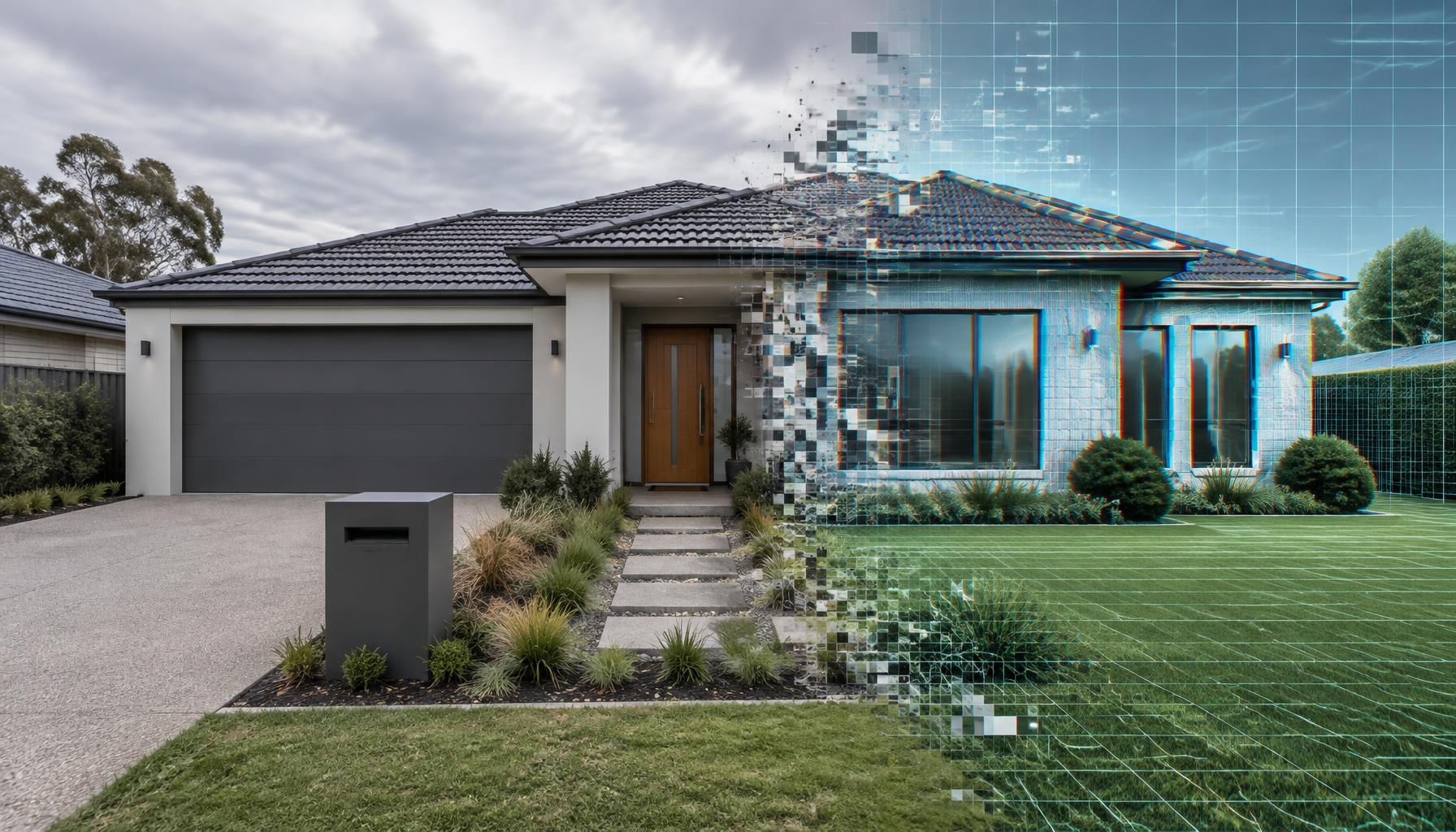
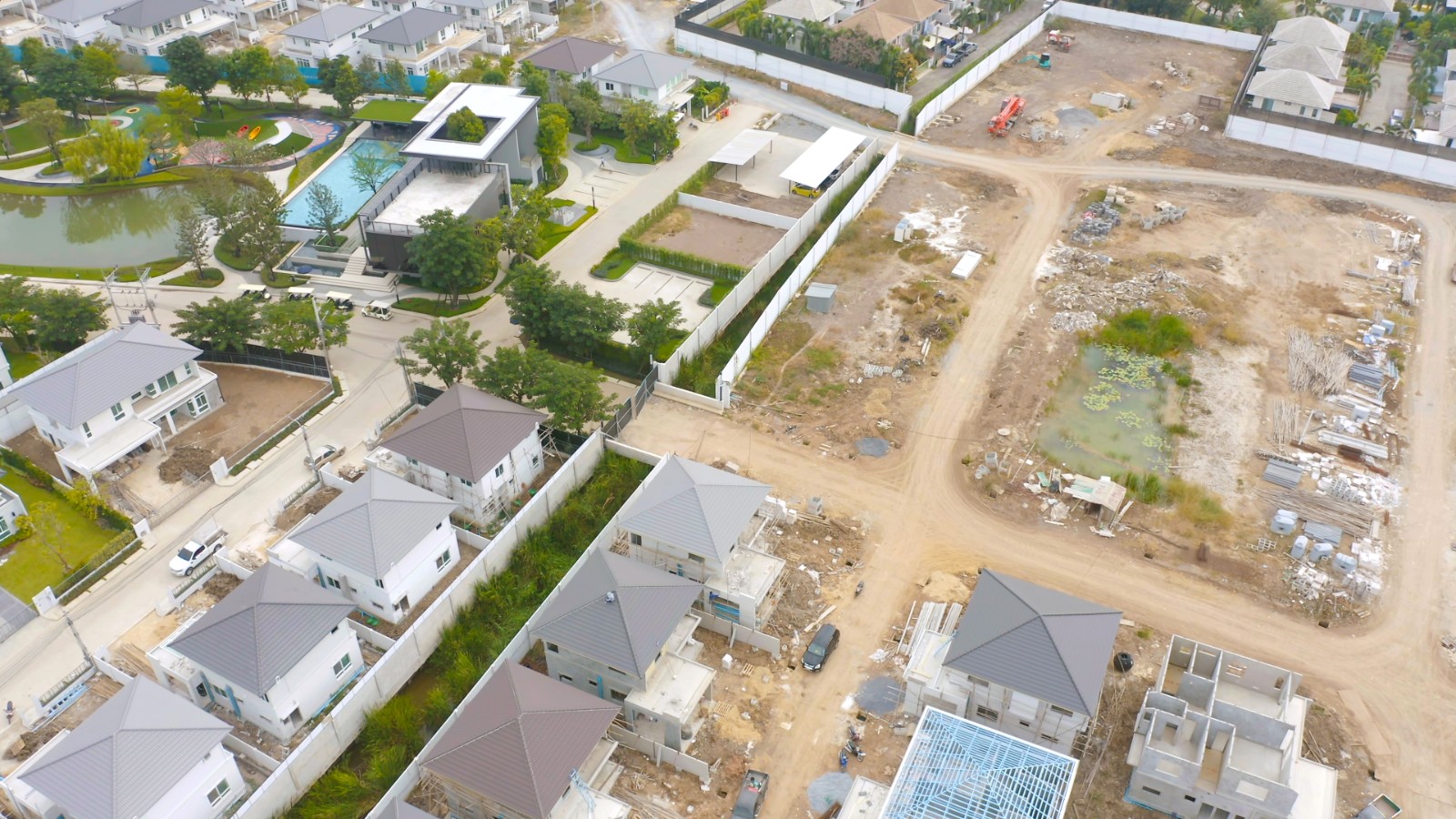
Ray White Maleny says an AI generated campaign attracted more than 50,000 views before the property formally launched. The attention is impressive, but the eventual sale will determine whether it was brilliant marketing or simply a brilliant video.
Before the land had a price, a house or a formal public launch, it had dinosaurs.
Triceratops wandered across the paddocks. A long necked dinosaur appeared against the Sunshine Coast hinterland. A Tyrannosaurus rex arrived for the finale.
It was an unusual introduction to 21 hectares of vacant land in Maleny.
That was precisely why it worked.
Ray White Maleny agents Joe Hopper and Justin Smith used AI generated dinosaurs to promote 65 McCarthy Shute Road, a 52 acre holding known locally as Jurassic Park.
Ray White reported that the initial social media campaign attracted more than 50,000 views before the property formally entered the market. The agency also said it received enquiries from local residents, interstate buyers and overseas prospects.
Real Estate Today has not independently verified the number of views or the quality of those enquiries.
What can be verified is that two agents found a way to make vacant land considerably harder to ignore.
The idea came before the technology
The Jurassic Park identity was not invented by an artificial intelligence platform.
According to Hopper, a previous custodian kept Texas Longhorn cattle, buffalo and deer on the property. The unusually large animals led locals and visitors to give the land its prehistoric nickname.
The agents took that piece of local history and made it the centre of the campaign.
That distinction is important.
A dinosaur can be inserted into almost any property video. Without a genuine connection to the listing, it would probably feel like a stunt.
Here, the technology amplified a story that was already embedded in the land.
The property itself gave the campaign substance. It is located less than five minutes from Maleny and offers views extending from the Glass House Mountains towards the coastline, Moreton Island and the Brisbane skyline.
The official listing describes multiple elevated building sites, approximately seven acres of subtropical rainforest, spring fed dams, creeks, grazing land, cattle infrastructure, deer fencing and three phase power.
There is no existing residence.
The next owner is effectively being offered the land and the opportunity to decide what it becomes.
That presents a marketing challenge. Vacant acreage does not provide the kitchens, architecture or interiors normally used to hold a buyer’s attention.
Hopper and Smith replaced what was missing with a story.
Viral attention is not a sales result
More than 50,000 views sounds impressive.
It does not, by itself, prove that the campaign has commercially succeeded.
A video featuring photorealistic dinosaurs will inevitably attract people who have no intention of purchasing 52 acres in the Sunshine Coast hinterland. Social media reach and genuine buyer demand are not the same thing.
That is the limitation behind almost every viral property campaign.
Views measure attention. They do not measure purchasing capacity, inspections, offers or the final result delivered to the vendor.
Ray White says the campaign produced interest from several buyer groups, including overseas prospects searching for significant Australian landholdings. Until the property sells, however, the commercial value of that interest remains untested.
At the time of publication, the official listing continued to describe the property as coming soon and invited prospective buyers to contact the agents.
The real test will be whether the campaign generates qualified inspections, competitive tension and a result that justifies the attention.
Even so, the agents have already achieved something useful.
They made the property recognisable before its full campaign had properly begun.
When Jurassic Park appears in a buyer’s search results, it will no longer be another anonymous parcel of vacant land. Thousands of people have already seen it, discussed it or shared it.
That recognition has value, even if it cannot yet be measured in a sale price.
The lesson is not to copy the dinosaurs
Property marketing has become increasingly polished and increasingly predictable.
Drone footage rises above the roof. The agent walks through the doorway. Music builds. The sun sets. The logo appears.
The production may be excellent, but the structure is often interchangeable.
The Maleny campaign broke that pattern immediately.
Its lesson is not that agents should begin adding dinosaurs, celebrities or fantastical creatures to every listing video. Once copied repeatedly, the device would lose the novelty that made it effective.
The more useful lesson is that memorable marketing usually begins with something specific.
It may be a local nickname, an unusual former use, a hidden feature, a piece of community history, an unexpected design decision or even an apparent limitation that can be reframed honestly.
Agents regularly collect these details during conversations with vendors and then bury them beneath the bedroom count, land size and list of inclusions.
The strongest campaign idea may already be sitting inside the listing presentation.
The creative work is recognising it.
Technology comes afterwards.
AI creates opportunity and responsibility
The campaign also demonstrates how quickly generative AI is moving into mainstream property marketing.
Ideas that once required expensive visual effects can now be produced faster and at a fraction of the cost. That gives smaller agencies and individual agents access to creative tools previously reserved for major campaigns.
It also increases the risk of misrepresentation.
In this case, the fantasy is unmistakable. No reasonable buyer is likely to believe that dinosaurs are included with the property.
Other applications will be less obvious.
Virtual renovations, altered views, imagined landscaping and digitally enhanced interiors can blur the line between inspiration and an accurate representation of what is being sold.
As the technology becomes more convincing, agents will need to become more disciplined about disclosure.
Creativity can win attention. Accuracy still has to preserve trust.
The sale will deliver the verdict
The dinosaur campaign has already done what most property marketing struggles to achieve.
It made people stop.
It turned vacant land into a conversation and carried a local nickname well beyond Maleny.
Whether that attention produces an exceptional result remains unknown. Fifty thousand views should not be confused with fifty thousand buyers, and a viral campaign should never be declared commercially successful before the transaction is complete.
But the cleverest part of the campaign was never the technology.
It was recognising that the property already had an identity.
The agents found the story first. AI simply made it roar.

 The Morning BriefWith Jake and MiaListen now
Tell us what’s happening
Trending
Victorian rental law changes 2026: What property managers need to know
Property Management
Have you been housefished? Australia gets a taste of real estate's new AI problem
Technology
Price falls won’t fix housing affordability, big four banks tell Senate inquiry
Market Update
Doncaster East Mansion Hits New York & International Spotlight Following Noel Jones Launch
Property of the Week
Raine & Horne puts family first on National Family Business Day
Main Story
This article was independently written and edited by Real Estate Today. © Real Estate Today 2026 – All Rights Reserved.
Real Estate Today is an independent real estate industry publication covering Australia and New Zealand.