
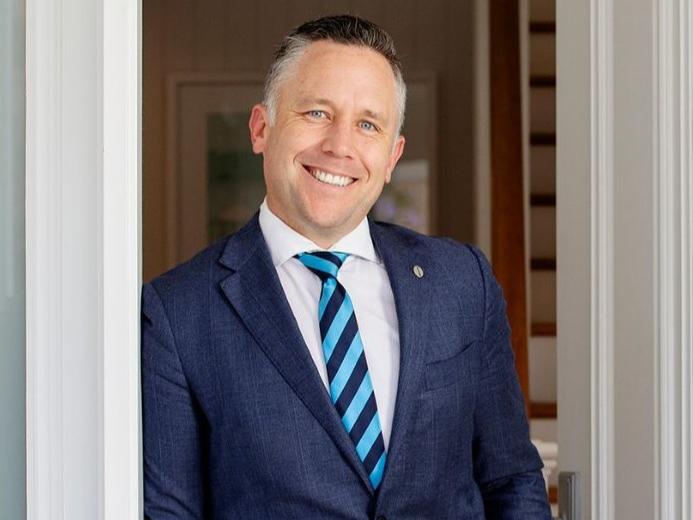
Adrian Knowles, CEO Harcourts Australia, on Forward Momentum
Have you ever lost a listing you were sure you had in the bag? I certainly have. The initial sting is sharp, isn't it? It’s tempting to spiral into what I call ‘Why Mode’ – a rabbit hole of questions like, “Why did the vendor choose another agent?”, “Why didn’t my presentation land?”, or even, “Why does this always happen to me?”
For years, I've watched talented agents get stuck in this exact spot. They spend days, sometimes weeks, dissecting every tiny detail of what went wrong. This analysis paralysis not only stalls their progress but also breeds a culture of blame, either pointing fingers at the market, the vendor, or even themselves.
But what if I told you there’s a simple, two-letter word that can pull you out of that spiral and propel you forward?
That word is ‘What’. Shifting from ‘Why’ to ‘What’ is a simple protocol that has fundamentally changed how I approach business and generate momentum. Instead of getting bogged down by the past, you pivot to the future. The question is no longer, “Why did I lose that listing?” but rather, “What do I need to do to secure my next one?”
The High Cost of Dwelling on ‘Why’
In a fluctuating market, momentum is everything. Yet, many of us fall into the trap of over-analysing our setbacks. We think that by understanding every nuance of our failures, we can prevent them from happening again. While reflection is important, excessive dwelling is counterproductive.
The data supports this. Studies have shown that businesses capable of pivoting quickly after a setback outperform those that linger on their losses by as much as 30%. When you're stuck in 'Why Mode', you're not just losing time; you're losing ground to competitors who are already focused on their next opportunity.
Furthermore, a study from the Harvard Business Review found that leaders who prioritise solution-focused thinking lead teams that are 20% more productive.
Why? Because a focus on ‘what’s next’ is empowering. It fosters an environment of action and forward movement, whereas a constant examination of ‘why it went wrong’ can create a culture of fear and hesitation.
The Power of Detachment and Ownership
The core of the ‘Why’ vs. ‘What’ mindset is about detachment. It’s about understanding that you can’t control every outcome, but you can control your response. When I miss out on a listing, I allow myself a moment to feel the disappointment, but then I consciously detach. I recognise that the vendor’s decision was theirs alone. My energy is better spent focusing on what I can control: my next action.
Dr. Henry Cloud, a leadership expert and psychologist, has spoken extensively on this topic. He notes that successful leaders “don't get bogged down in the past. They learn from it and move on.” This emotional detachment isn't about being cold or uncaring; it's a strategic decision to protect your momentum and your mindset.
Switching to ‘What’ also forces a shift from blame to ownership. The ‘Why’ mode often leads to finger-pointing. “The vendor was unrealistic.” “The market is tanking.” “My marketing materials weren’t good enough.” While some of these might contain a grain of truth, they are ultimately unproductive excuses.
When you ask, “What can I do differently next time?”, you take ownership of your role in the process. This isn’t about self-blame; it’s about self-empowerment. It’s about recognising that your growth is within your control. This culture of ownership has profound effects. Companies that foster it report employee engagement rates up to 15% higher than their counterparts. Engaged, empowered agents are the ones who thrive, regardless of market conditions.
How to Make the Shift: From ‘Why’ to ‘What’
This isn't just a theoretical concept; it's a practical, daily discipline. Here’s how you can start implementing it:
Acknowledge, Don't Dwell: When you face a setback, give yourself a set, short amount of time to acknowledge the frustration. Five minutes, an hour, whatever you need. But when that time is up, consciously move on.
Ask Action-Oriented Questions: Reframe your internal dialogue. Instead of “Why didn’t they choose me?”, ask “What three things can I do today to find my next potential client?” or “What part of my presentation can I strengthen for the next opportunity?”
Focus on Your Next Action: Your very next step is the most important one. Is it making a call? Sending an email? Going for a walk to clear your head and reset? Identify the single next action that will move you forward and do it immediately.
Celebrate Forward Movement: Acknowledge and celebrate the small wins that come from your ‘What’ actions. Every new connection, every positive conversation, every step forward is a victory that builds momentum.
Moving Forward to Help More People
At Harcourts, our purpose is to help others achieve their dreams. We can't do that if we're stuck in the past. Every moment spent agonising over a missed opportunity is a moment not spent helping another family find their perfect home or sell their property to start a new chapter.
The shift from ‘Why’ to ‘What’ is more than a business tactic; it’s a commitment to service. It’s about having the resilience and forward focus to help as many people as possible.
So, the next time you face a setback, I challenge you: acknowledge the sting, then quickly and decisively ask yourself, “What’s next?” Your future success depends on it.
This article was independently written and edited by Real Estate Today. © Real Estate Today 2026 – All Rights Reserved.
Real Estate Today is the most engaged & influential real estate industry publication throughout Australia and New Zealand.