When we talk about growth in real estate, the conversation usually comes back to prospecting, conversations and follow-up. These things matter, but many established agents already know how to list and sell. They have built a strong reputation and understand their market. The challenge is that the business surrounding them has not developed at the same pace.
I see this as a hidden ceiling. It appears when an agent is producing at a high level but still carrying too much behind that production. As volume increases, so does the communication, administration, compliance and leadership required. Before long, everyone relies on the agent for decisions and client relationships. They may be writing more business, but they are also becoming its greatest point of dependency.
The response is often to employ someone, but without a clear structure, that person can become another person for the agent to manage. Genuine scale requires defined roles, good leadership, practical systems and accountability. Support should create capacity for the work that adds the most value.
One of the most underused assets in an agent’s business is latent data. It is the context behind the contact record: the owner considering a future move, the buyer who needs to sell first or the former client approaching a change in circumstances. Some is captured in a CRM or phone note, while much remains in the agent’s memory. Its value lies in surfacing it at the right time and turning it into meaningful action.
A 2023 Stanford and MIT study, published by the National Bureau of Economic Research, found that generative AI increased productivity among more than 5,000 customer-support workers by 14 per cent. What interested me was why. The researchers suggested AI helped make the tacit knowledge of experienced, high-performing people available to others. Real estate is rich in this knowledge. Strong agents have years of pattern recognition, local insight and understanding of people that cannot be reduced to a contact record. The opportunity is not to automate their judgement, but to help that knowledge work harder.
Harnessing that potential starts with capturing more than activity. We need to record context, intent and the next meaningful action, then use technology to identify patterns and prompt relevant conversations. That requires discipline, but also trust. Agents and clients need to know their information is being used thoughtfully to improve the experience, not simply to generate more communication.
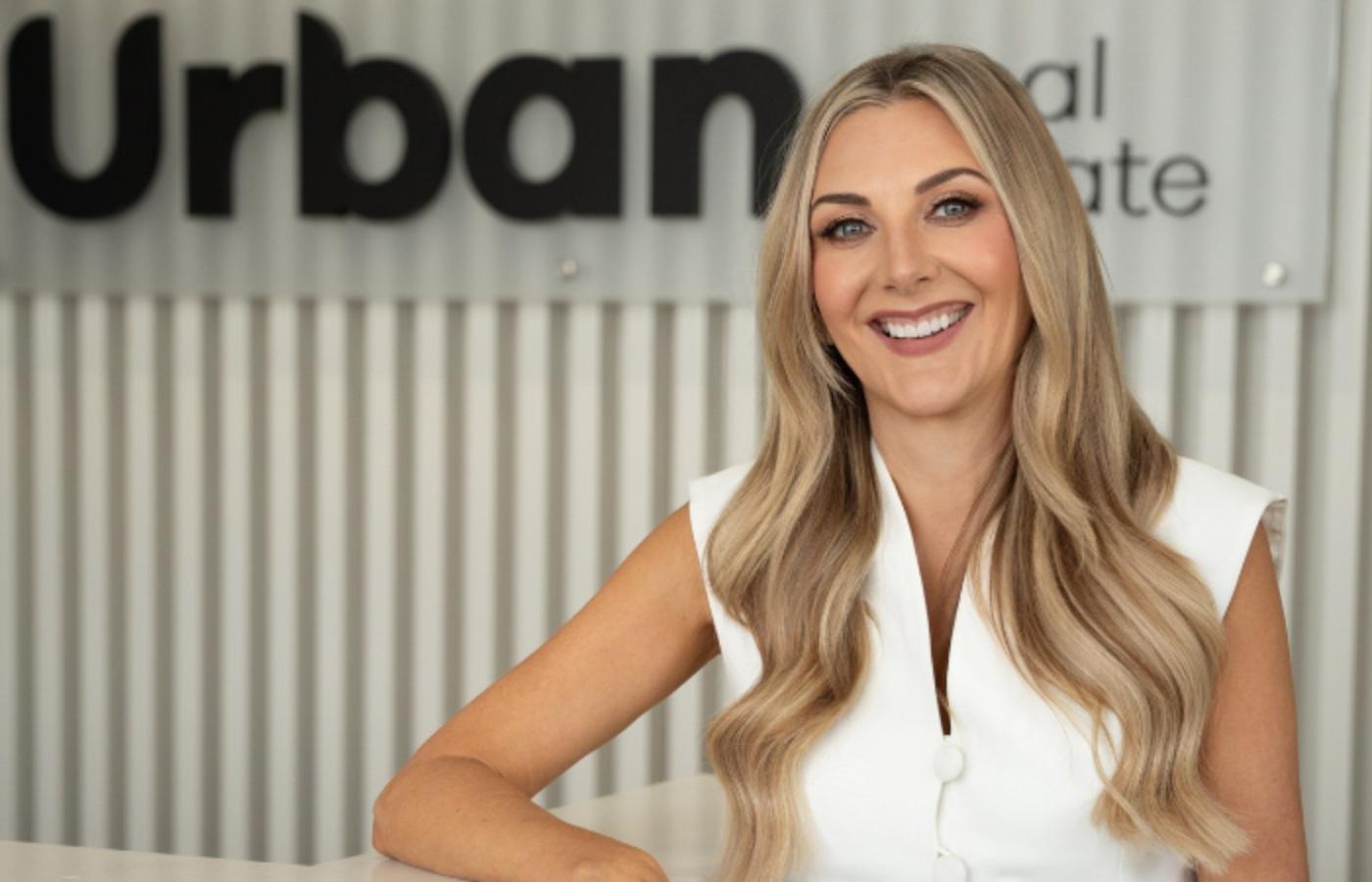
As CEO, I see my responsibility as creating the conditions in which talented people can become even better. That means listening closely to where growth is becoming difficult, investing in systems that return useful insight rather than more administration, and building team structures that genuinely create capacity. It also means giving our leaders the time and capability to understand an agent’s ambitions, challenge their thinking and help them build beyond their own personal capacity.
Successful agents have worked hard to build their identity and local reputation. My role is not to ask them to become less of who they are in order to fit the business. It is to build a business capable of keeping pace with who they are becoming. For me, the true measure of an agency is not how many high performers it can attract, but how many people it can help achieve more than they could have achieved alone.

 The Morning BriefWith Jake and MiaListen now
Tell us what’s happening
Trending
REA must give agencies a 25% downgrade option from January
Industry News
Victorian rental law changes 2026: What property managers need to know
Property Management
Have you been housefished? Australia gets a taste of real estate's new AI problem
Technology
Price falls won’t fix housing affordability, big four banks tell Senate inquiry
Market Update
Doncaster East Mansion Hits New York & International Spotlight Following Noel Jones Launch
Property of the Week
This article was independently written and edited by Real Estate Today. © Real Estate Today 2026 – All Rights Reserved.
Real Estate Today is an independent real estate industry publication covering Australia and New Zealand.