Industry News
BREAKING: Victoria votes for change – 12 years of Labor rule ends as Jess Wilson promises economic and property reset
Victoria has voted to change its government. Here is what the incoming Coalition has promised on land tax, stamp duty and planning.

Victoria has voted to change its government after 12 years of Labor rule, bringing an end to the era of Daniel Andrews, Jacinta Allan and Ben Carroll and placing the state's economic direction, property taxes and business conditions at the centre of a new political chapter.
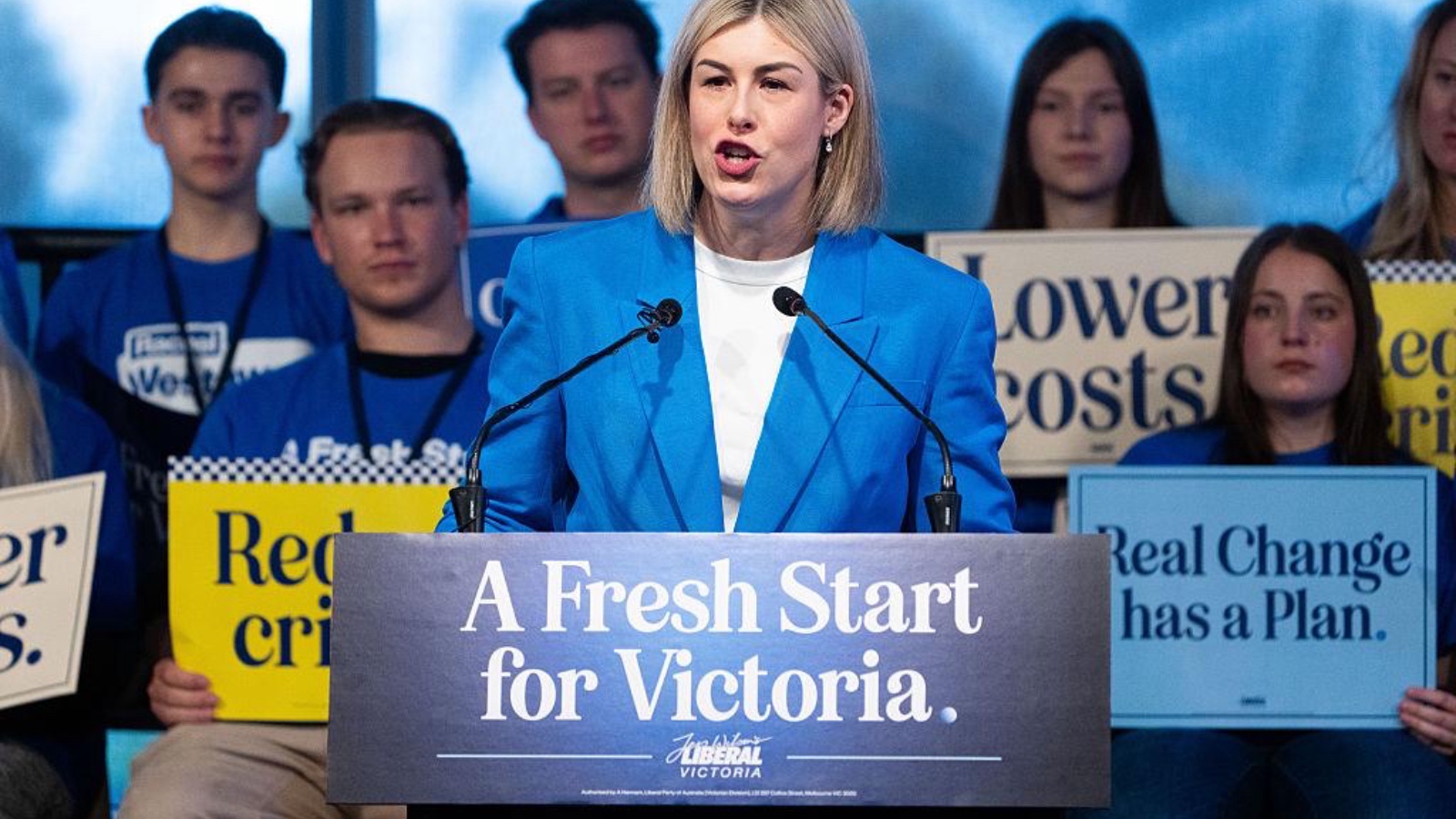
At 36, Liberal leader Jess Wilson is set to become Victoria's 51st premier and its first popularly elected female premier. The scale of the result extends beyond a change of leadership: Carroll has lost Niddrie, a seat Labor had held since 1976. Counting continues and formal declarations are pending.
Why Victoria voted for change
Wilson campaigned on a fresh start, focusing on state debt, community safety, road maintenance and the cost of doing business. Her economic pitch linked rising interest expenses on government debt to the resources available for essential services and promised a decade-long budget repair plan, with debt repayment beginning from 2032.
Labor faced pressure over infrastructure costs and allegations of construction-sector corruption. Carroll, who replaced Allan in July, called a royal commission into those allegations. Deputy Labor leader Gabrielle Williams acknowledged public anger over the issue. Carroll accepted responsibility for the defeat while defending Labor's record in schools, hospitals and transport. The result establishes a broad desire for a change of government, but does not establish a single reason why every voter made that choice.
The Coalition's fiscal plans also attracted scrutiny: its late commitments to partly privatise Melbourne's sewerage network, change level-crossing projects and curtail planned kindergarten expansion drew criticism from opposing parties. The trade-offs between tax relief, public services and debt reduction will be central to the incoming government's first budget.
Wilson's election-night message to Victoria
“Tonight I declare that Victoria is back open for business,” Wilson told supporters. “We can't fix Victoria overnight,” she added, acknowledging the long-term nature of the economic challenge.
Wilson pledged to serve people regardless of how they voted and acknowledged the responsibility of winning support from voters who had not previously backed the Liberals. Her speech placed trust and accountability alongside economic repair. Read the ABC's election coverage and speech excerpts.
What the result means for the property industry
For agency principals, landlords, developers and first-home buyers, the change of government puts transaction costs, investment holding costs, planning approvals and employment expenses in focus. The significance is cumulative: these settings influence whether businesses expand, investors retain property and prospective buyers can enter the market.
The Victorian election promises that touch agencies
The Coalition set out its property commitments in a letter to the Real Estate Institute of Victoria (REIV), published by the institute ahead of the vote and signed by David Southwick, Deputy Leader of the Opposition and Shadow Minister for Planning and for Housing and Building, and Jade Benham, Shadow Minister for Consumer Affairs. It commits to progressively lifting the land tax-free threshold to $300,000, abolishing stamp duty for first home buyers purchasing properties up to $1 million and scrapping what it calls Labor's Emergency Services Tax.
The Parliamentary Budget Office's costings of Coalition policies, released two days before polling day, put prices on several of those promises, according to the ABC's summary of the costings. Raising the first home buyer stamp duty exemption to $1 million, partly offset by removing the First Home Owner Grant, would take $781.4 million out of the budget. Repealing the Emergency Services and Volunteers Fund and reinstating the Fire Services Property Levy from 1 July 2027 would cost $994.4 million over four years, and abolishing the short-stay levy on accommodation bookings of less than 28 days would cost $903.3 million to 2036-37.
The short-stay change goes straight to agencies running holiday lettings, where the levy applies to every booking of under 28 days. For agency owners as employers, the letter also commits to lifting the payroll tax-free threshold to $1.2 million by 2028-29 and cutting the metropolitan payroll tax rate to 4.8 per cent from 2030-31, measures it frames as support for the commercial and industrial property sector.
Sales rules and supply
On sales practice, the letter says the Coalition has previously proposed amendments to allow greater flexibility in reserve price disclosure and opposed the repeal of Section 27 of the Sale of Land Act 1962, seeking to keep arrangements for the early release of deposits. Victorian agents have had to disclose a vendor's reserve price at least seven days before an auction or fixed-date sale since 1 October, as RET reported when the parties answered the REIV's election questions.
On supply, the Coalition has committed to fast-tracking stalled Precinct Structure Plans, expanding the Capital City Zone to allow more high-density housing, working with regional councils on new developments and ensuring Growth Areas Infrastructure Contribution revenue is spent where it is collected.
Taken together, the commitments point to lower transaction and holding costs for first home buyers, investors and landlords. The PBO estimated the Coalition's full platform would lower net debt by $20 billion over four years, largely through asset sales and a public service hiring freeze. How quickly the property measures reach the statute book will depend on the final Legislative Council count, which the ABC said could take days or weeks to settle.
Could property investment and home ownership change?
Land tax relief could improve the economics of holding property for eligible investors, with potential implications for rent rolls and property management growth. Labor had also pledged to restore the $300,000 threshold, underscoring the bipartisan prominence of the issue. Stamp duty relief may reduce upfront purchase costs for eligible first-home buyers, although additional demand without extra supply could place upward pressure on prices.
Victoria's property professionals should watch the first budget, legislative timetable, eligibility rules and final upper-house composition. Existing obligations remain in force until legislation changes. The election has established a new political direction; its economic impact will depend on delivery rather than campaign promises alone.
Sources: ABC election live coverage; Election policy interviews; Coalition correspondence to REIV.





Real Estate Today in your inbox
The RET Nightcap and The Weekly Wrap, free for everyone in the industry.
Latest from The Chat podcast
Inside H360: how Harcourts turns data into better businessesNick Jewitt, Head of Data and Analytics, Harcourts · 21 Oct 2026
Latest stories