
Industry News
Can Victoria win back its property investors?
Can the new Victorian government rebuild investor confidence? We analyse the impact of land tax reform and market shifts on the state's real estate sector.
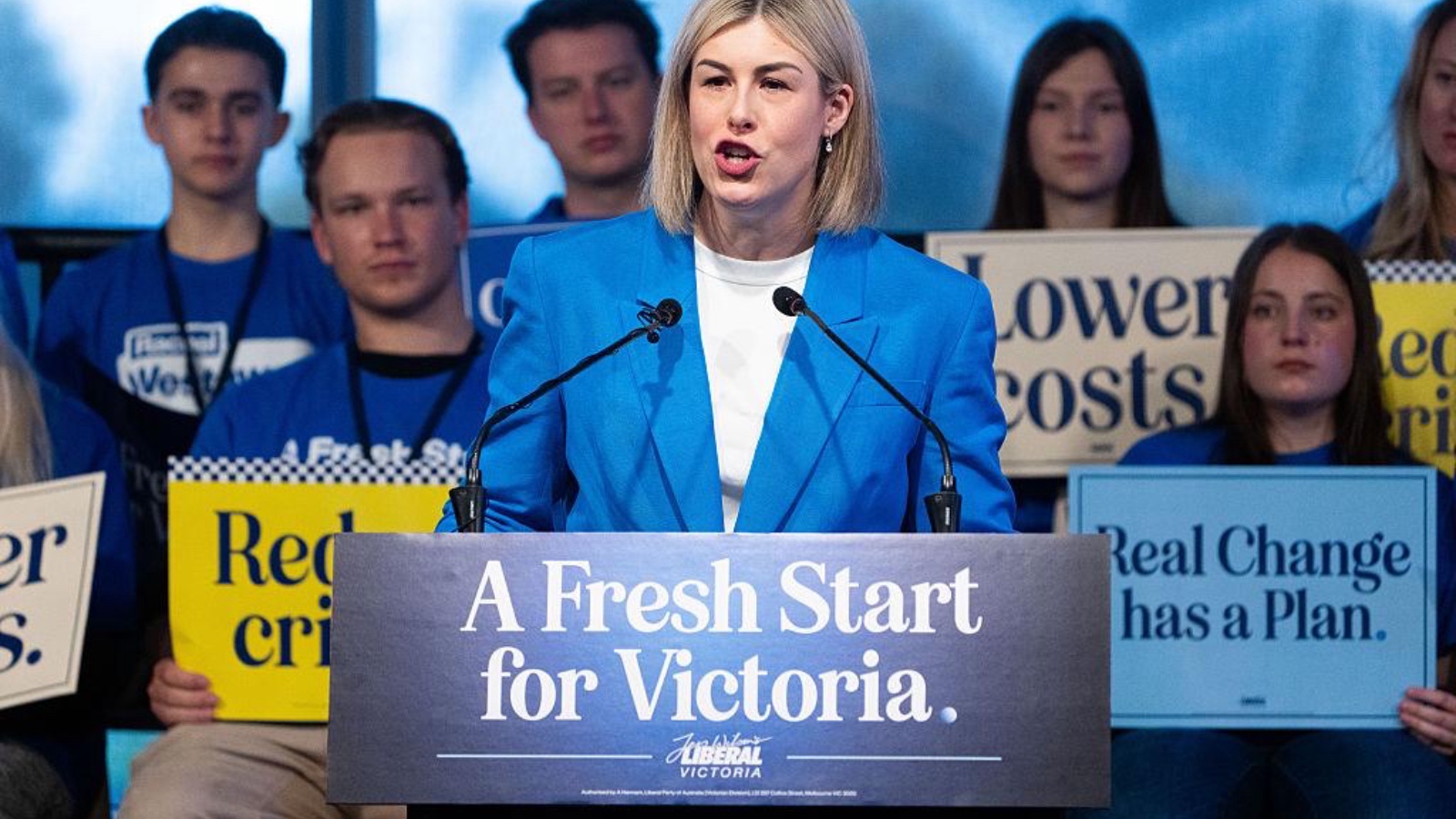
Sunday special report | Property & economics
After years of rising property holding costs and mounting concerns over business competitiveness, Victoria's change of government presents an opportunity to reshape the state's property market. But restoring confidence will require considerably more than election promises.
For Victoria's real estate industry, Saturday's election was about considerably more than a change of government. It was about the conditions under which businesses operate, the willingness of investors to place their capital in Victoria, the ability of property managers to grow their rent rolls, the viability of new housing developments and the prospects of younger Australians entering the property market.
After 12 years of Labor government, incoming premier Jess Wilson inherits a property sector facing substantial economic and regulatory challenges. Industry organisations had been calling for reform before the election. The question now is whether a change in government can translate into measurable improvements.
The warning signs were there long before the election
REIV's November 2026 analysis reported a decline of more than 16,400 active rental bonds between June 2023 and June 2026, alongside a decline in new lettings despite population growth. For property management businesses these indicators matter because they affect potential managements, recurring revenue and employment opportunities. For tenants they matter because they affect rental availability. Interest rates, construction costs and broader economic conditions also influence supply.
Victoria’s rental market in numbers
- Active rental bonds, June 2023–June 2026: −16,478
- New lettings, year to June 2026: −7.6%
- Population growth, year to June 2026: +1.6%
- Value of new investor loan commitments, September 2026 quarter: −24.8%
Source: REIV rental market analysis, 11 November 2026. The bond change is calculated from the June 2023 and June 2026 totals.
How Victoria became an expensive place to hold property
Changes introduced from 2024 lowered the general land tax-free threshold to $50,000 as part of Victoria's COVID debt repayment strategy. These changes occurred alongside mortgage interest expenses, insurance premiums, maintenance costs and compliance obligations. For some investors, the financial equation underpinning property ownership has changed considerably.

Source: REIV 2026–27 Victorian State Budget submission, page 7. These are historical examples; individual liabilities vary.
The battle for interstate investment
Victoria competes with Queensland, Western Australia, South Australia and New South Wales for investment capital. The proposed restoration of the $300,000 land tax-free threshold could narrow part of the competitive gap. Investors will continue to assess rental yields, capital growth prospects, financing costs, regulation and employment-driven housing demand.
- Victoria current: $50,000
- Victoria proposed: $300,000
- Queensland: $600,000
- NSW: $1,075,000
Sources: State Revenue Office Victoria, Queensland Revenue Office, Revenue NSW and REIV election platform. Thresholds apply to eligible landholdings, not purchase prices; rates, exemptions and ownership rules differ. The proposed Victorian threshold is not yet law.
Housing confidence and the state's finances
Property Council-commissioned polling ahead of the election indicated widespread concern about housing affordability and property taxation. The election result cannot be attributed to any single policy area. The state also relies heavily on property-related taxation, creating a difficult balancing act: reducing taxes may improve the investment environment but also reduces revenue in the near term unless offset by other measures.
What Jess Wilson has promised Victoria's property industry
- Land tax: Progressively restore $300,000 threshold
- First-home buyers: Remove stamp duty on eligible purchases up to $1 million
- Emergency services levy: Repeal existing levy
- Short-stay accommodation: Abolish short-stay tax
- Payroll tax: Increase threshold and reduce metropolitan rate
- Planning: Accelerate approvals and land releases
Labor had also committed to restoring the land tax threshold.
Delivery depends on legislation, budget capacity and parliamentary support. Existing obligations remain in force.
What this means for property managers
When investors sell to owner-occupiers, managements can disappear from rent rolls. When prospective landlords purchase elsewhere, Victorian agencies miss opportunities to acquire new managements.
- Managements lost or not acquired: 40
- Average weekly rent: $560
- Management fee: 7%
- Annual gross management fee revenue forgone: $81,536
This example excludes letting fees, GST considerations and operating expenses. Changes in investor participation can have implications for employment, business valuations and technology investment. Restoring investor confidence must coexist with appropriate protections for renters.
What this means for sales agents
Eligible first-home buyers purchasing up to $1 million could benefit from reduced upfront costs if the policy is enacted. The Coalition's published election costings also include the removal of the first home owner grant, which would offset part of the cost of the expanded duty exemption.
Greater purchasing capacity does not automatically improve affordability: if demand rises faster than supply, some benefits could be absorbed by higher prices. Agents should monitor listing volumes, buyer enquiry, auction activity and implementation dates.
What this means for agency owners
Payroll taxation, commercial leasing costs, employment expenses and regulation influence an agency's capacity to grow. Proposed payroll tax reforms could provide relief to eligible businesses, particularly larger independent agencies and multi-office operators. Principals should prepare scenarios rather than build forecasts around reforms that have yet to become law.
Housing supply remains the fundamental test
Accelerating land releases, reducing unnecessary planning delays and making development financially viable will be central to increasing supply. Different planning approaches involve trade-offs between infrastructure costs, local decision-making and urban density. The measure of success will be homes delivered, not announcements made.
What would a Victorian property recovery look like?
- Investor finance: New investor lending commitments
- Rental availability: Active bonds and new lettings
- Construction: Approvals, commencements and completions
- Business confidence: Capital expenditure and expansion
- Residential sales: Transaction volumes and buyer participation
- Affordability: Rents and prices relative to incomes
- Government finances: Revenue, debt and interest expenses
A new chapter for Victorian real estate
Victoria retains major universities, employment centres and established infrastructure. What has become increasingly contested is the environment in which households, investors and businesses make financial decisions. Saturday's election has created an opportunity to reconsider that environment. Confidence is not something a government can announce into existence. It must be earned through consistent policy, credible implementation and measurable results.
Real Estate Today Australia will continue to examine Victoria's economic and property reforms throughout 2027.
Sources: REIV rental supply; REIV tax policy; Property Council polling; Coalition response to REIV.





Real Estate Today in your inbox
The RET Nightcap and The Weekly Wrap, free for everyone in the industry.
Latest from The Chat podcast
Inside H360: how Harcourts turns data into better businessesNick Jewitt, Head of Data and Analytics, Harcourts · 21 Oct 2026
Latest stories