Market Update
Regional home values fall 2 per cent as Gold Coast leads decline
Cotality says regional dwelling values fell 2.0 per cent in the three months to October, almost double the previous quarter's decline.
Australia's regional housing market has lost momentum faster than at any point this year, with dwelling values across the 50 largest regional centres falling 2.0 per cent in the three months to October, almost double the 1.1 per cent decline recorded in the three months to July, according to Cotality's latest Regional Market Update, published on 18 November.
The fall is still smaller than in the capitals, where values dropped 4.5 per cent over the same three months, but the gap is narrowing and selling conditions have weakened across most of regional Australia. Time on market increased in 40 of the 50 largest centres, shifting negotiating power towards buyers.
Regional Queensland and coastal NSW lead the regional housing market downturn
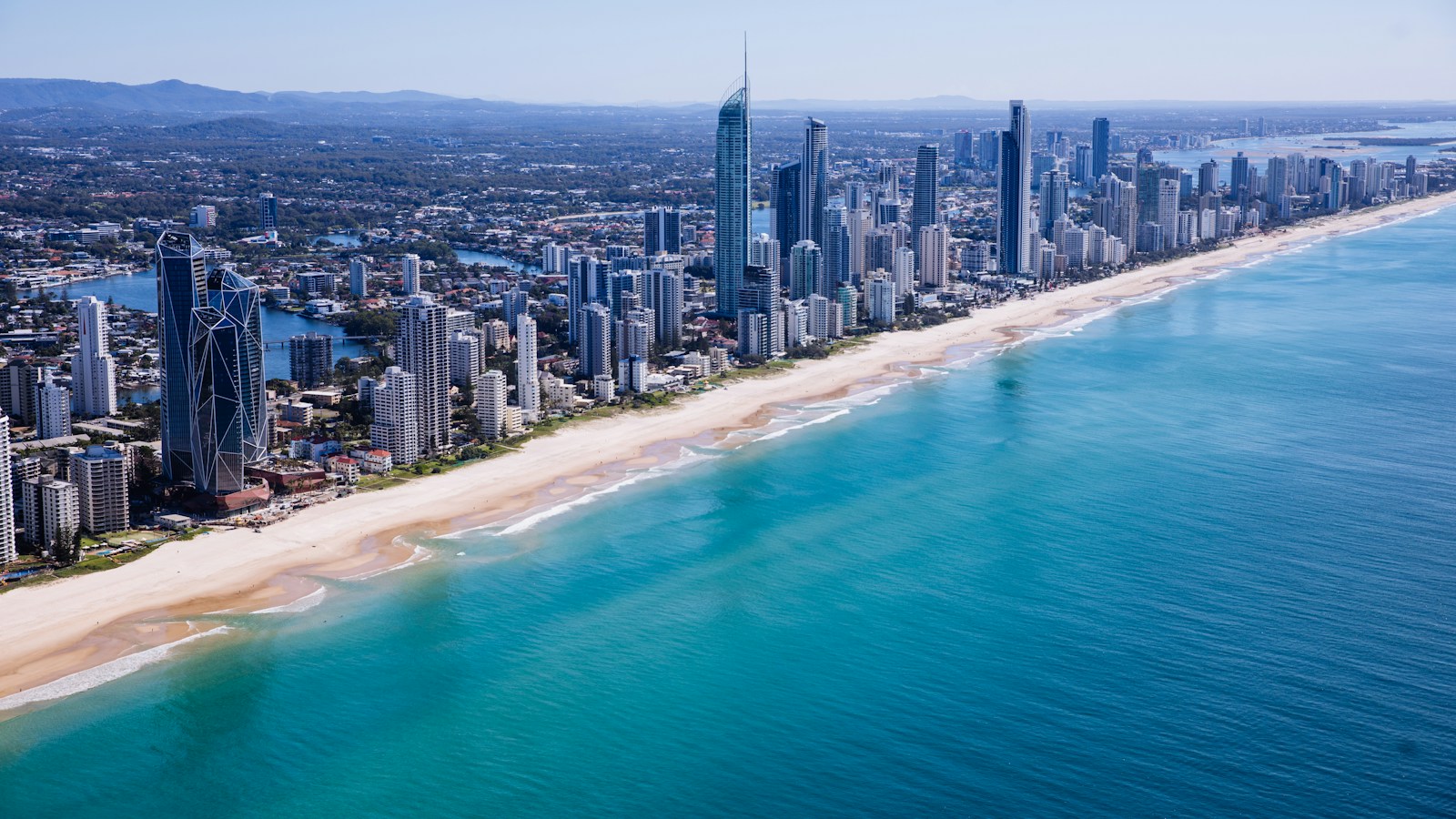
Regional Queensland recorded the steepest quarterly fall nationally, down 2.7 per cent. Gold Coast and Tweed Heads values fell 3.7 per cent, with Bundaberg down 3.1 per cent, Maryborough down 3.0 per cent and Gladstone down 2.8 per cent.
Regional NSW fell 2.1 per cent, led by Ballina (down 3.9 per cent), Wollongong (down 3.8 per cent), Morisset and Cooranbong (down 3.7 per cent) and Nelson Bay (down 3.2 per cent). More affordable centres held up, with Lismore up 1.4 per cent and Goulburn up 0.7 per cent.
Cotality Australia Head of Research Gerard Burg said five interest rate rises, economic uncertainty and cost-of-living pressures had weighed on borrowing capacity and buyer confidence, despite continued migration from the capitals.
"Regional markets have held up better than the capitals, but they're not immune to the same pressures," Mr Burg said.
The Reserve Bank lifted the cash rate to 4.85 per cent on 3 November, its fifth increase this year, as covered in RET's report on the split within the Monetary Policy Board.
Western Australia splits in two
Regional WA fell 1.2 per cent, but the figure hides two very different markets. Busselton recorded the largest quarterly decline of any of the 50 centres, down 4.1 per cent, with Bunbury down 2.8 per cent and Albany down 1.8 per cent after values in the state's south-west rose more than 77 per cent over five years. Kalgoorlie and Boulder went the other way, posting the strongest quarterly growth in the country at 3.4 per cent, and remained the fastest-selling market at 11 days.
Regional Victoria recorded a more moderate fall of 1.5 per cent, led by Traralgon and Morwell (down 3.1 per cent), Warrnambool (down 2.3 per cent) and Geelong (down 2.0 per cent).
Longer campaigns and bigger discounts
The slowest market was Bowral and Mittagong, where homes took 70 days to sell and vendors discounted by 5.6 per cent on average, the highest of any regional centre. Batemans Bay (65 days) and Nelson Bay (64 days) were close behind. For agents in these markets, that means longer campaigns, more vendor conversations about price and a heavier marketing load per sale.
Rental conditions are also easing. Regional vacancy rates rose from 2.1 per cent to 2.3 per cent, matching the capitals, and regional rental growth slowed to 0.8 per cent for the quarter. Gross regional yields lifted from 4.2 per cent to 4.4 per cent, which Mr Burg attributed largely to falling values rather than stronger rents.
"Buyers are undoubtedly more cautious, and there's little urgency to buy so I'd expect regional conditions to remain softer in the short term," he said.
Cotality's figures point the same way as the forecast reported in RET's story on Domain's outlook for house prices into mid-2027.





Real Estate Today in your inbox
The RET Nightcap and The Weekly Wrap, free for everyone in the industry.
Latest from The Chat podcast
Inside H360: how Harcourts turns data into better businessesNick Jewitt, Head of Data and Analytics, Harcourts · 21 Oct 2026
Latest stories