top of page

What The Latest Rate Rise Means for Commercial Property

  • 13 hours ago
  • 3 min read
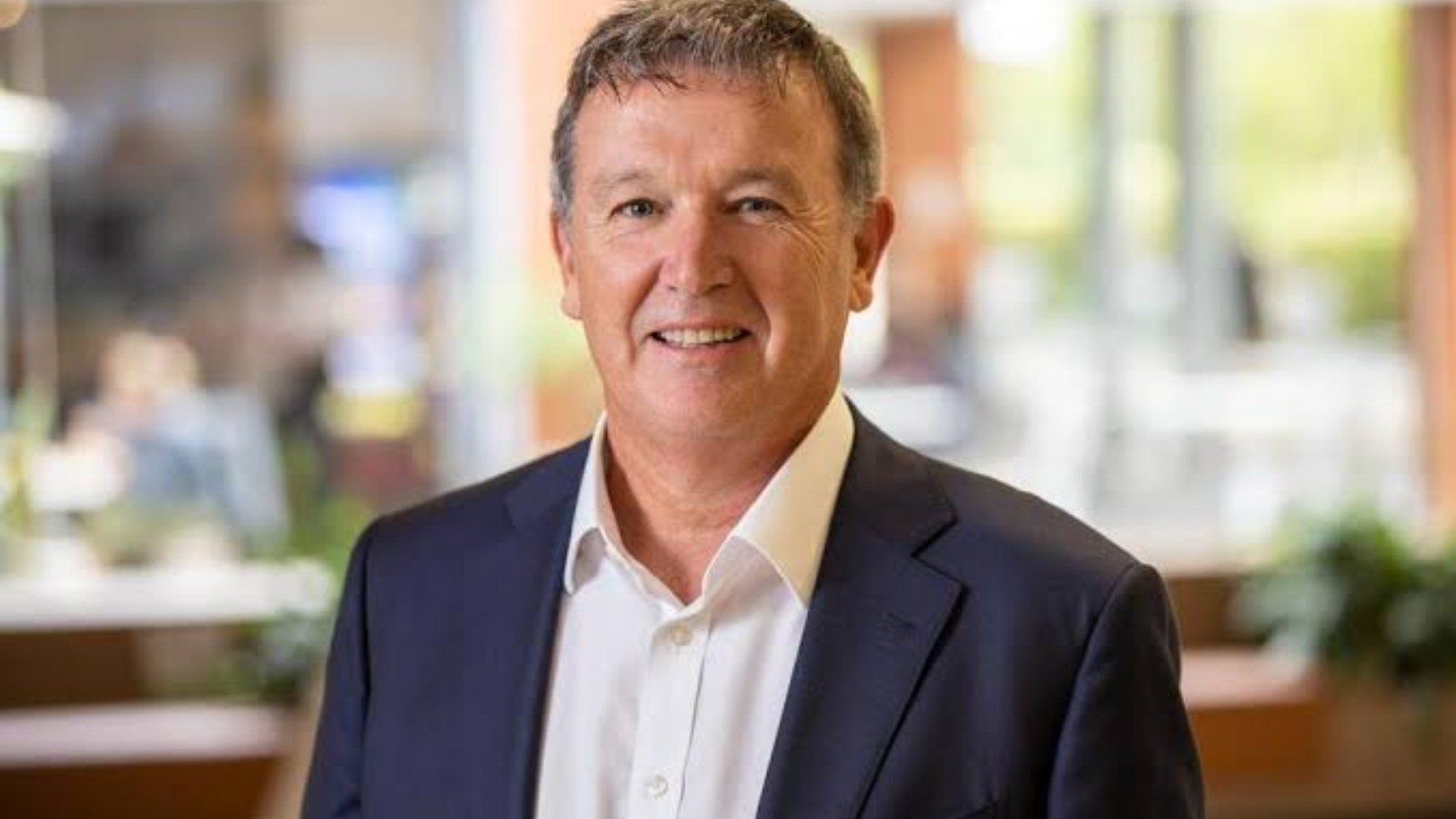
By Tom Donnelly, Head of Commercial, Harcourts.

The latest interest rate increase will, I believe, reintroduce a level of discipline into the commercial property market — a shift that, while challenging for some, will help reset expectations and sharpen decision-making across the sector.


After a period of relative stability, the expectation had been that we were nearing the end of the tightening cycle. However, with inflation proving more persistent than forecast, it’s now clear that monetary policy is still doing some heavy lifting — and there is a growing view that we may not be done yet.


From a commercial property perspective, the key question is not whether rates are high — it’s how the market adapts from here.


Debt Is Once Again Front of Mind

The most immediate impact of rising rates is on the cost of debt.


Higher borrowing costs are affecting feasibility across the board — from acquisitions through to development and refinancing. We’re seeing lenders maintain a more cautious stance, with stronger scrutiny on serviceability, tenant covenant, lease profile and asset quality.


This is what people refer to as “sharper underwriting” — in simple terms, deals need to stack up properly.


Assumptions are being tested, and there is far less tolerance for optimistic projections.


For investors, this means lower leverage and more equity going into deals. For some, it pushes them to the sidelines. For others, it creates opportunity.


Pricing Is Adjusting — But Not Collapsing

One of the misconceptions is that rising rates automatically lead to falling markets.


What we’re actually seeing is a continued recalibration of pricing.


Yields have already softened from their peak compression period, and in most sectors, pricing now better reflects the cost of capital. The gap between buyer and seller expectations, while still present, is narrowing as both sides adjust to the new normal.


Importantly, this is not a distressed market.


Transactions are still occurring — but they are more considered, more selective, and increasingly driven by fundamentals rather than momentum.


Owner-Occupiers Continue to Re-Emerge

One of the more notable trends in the current cycle is the continued return of the owner-occupier.


While higher interest rates do increase borrowing costs, they also bring a level of certainty that leasing cannot always provide — particularly in a market where rents have been rising in key sectors like industrial.


For many business owners, the decision is becoming less about timing the market and more about long-term control of occupancy costs, business stability, and balance sheet strength.


We’re seeing this particularly in the sub-$5 million bracket, where private buyers, family businesses and SMSFs are active.


Sector Performance Is Becoming More Selective

Rising rates are also amplifying the performance gap between asset types and quality.


  • Industrial continues to be underpinned by real business activity. Demand is driven by logistics, trade users and service-based businesses. However, not all assets perform equally — functionality, access and location matter more than ever.

  • Office has now largely repriced, but the divide is clear. Premium, well-located assets with strong amenity continue to attract tenants, while secondary stock faces ongoing leasing challenges.

  • Retail remains resilient in parts, particularly where it is aligned with daily needs and local communities. Discretionary retail, however, remains more sensitive to economic conditions.


This is no longer a market where broad statements apply — asset selection is critical.


What Happens If Rates Rise Again?

If we do see further rate increases, the likely impact is not a sudden downturn, but a continuation of the current environment.


  • Transaction volumes may remain subdued

  • Buyer due diligence will stay elevated

  • Equity requirements will remain higher

  • Pricing will continue to be disciplined rather than reactive


In many ways, the market is already behaving as though rates will stay higher for longer.


That adjustment has largely been absorbed.


A More Disciplined Market — And That’s Not a Bad Thing

The reality is that the commercial property market is not breaking — it is maturing.


The period of ultra-low interest rates created conditions where almost any asset could perform. That is no longer the case.


Today’s market rewards:

  • Strong fundamentals

  • Quality assets

  • Sound lease structures

  • Experienced operators


And importantly, it is bringing a level of discipline back into decision-making.


From my perspective, that is a positive shift.

Because while rising rates may slow parts of the market, they also create a more sustainable foundation — one where performance is driven by real-world outcomes, not just financial conditions.

Comments


Top Stories

bottom of page